News in seconds. In your language.
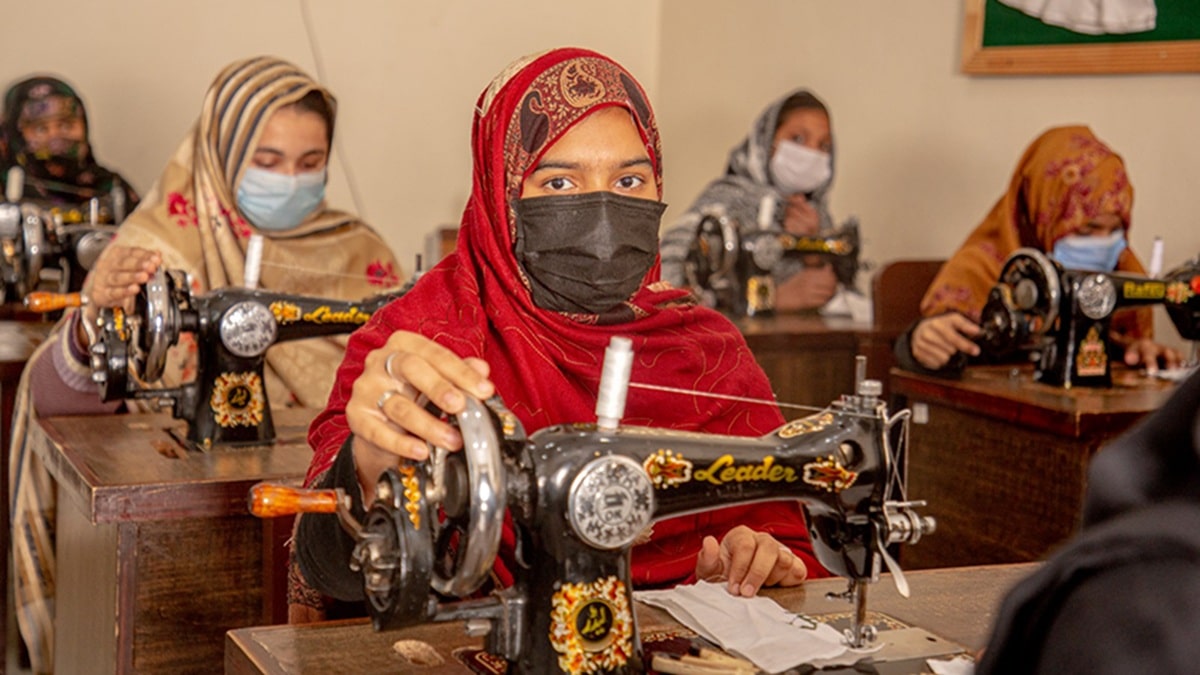
The Balochistan government has officially launched the Youth Vocational Skills Training Program in Quetta, Pakistan, with the primary goal of equipping young individuals, especially women, with professional skills to combat unemployment and foster economic self-reliance. This initiative aims to provide technical and vocational training aligned with current industry demands, enabling participants to secure employment or pursue entrepreneurial ventures. Currently, over 240 female students are enrolled in courses such as beauty services and hand embroidery, with a strong focus on practical application. The provincial government plans to train more than 720 young people in Quetta through this program, anticipating improved employment prospects, enhanced economic independence for women, and a boost in entrepreneurship across the province.
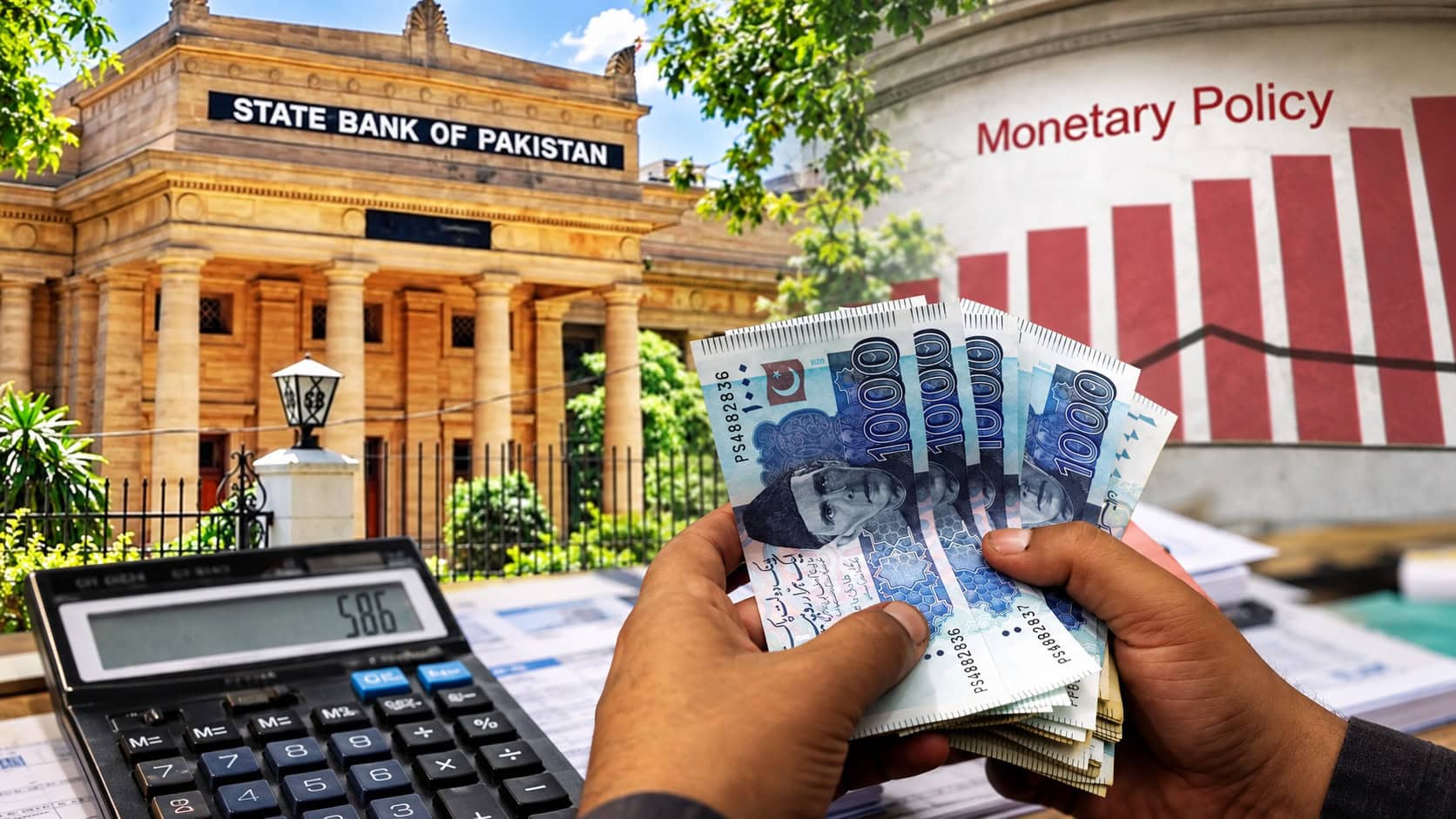
Pakistan's State Bank (SBP) is set to announce its new monetary policy today, with a majority of financial market participants anticipating an interest rate increase due to mounting inflation fears and soaring global oil prices. The Monetary Policy Committee (MPC) faces a difficult decision between controlling inflation and protecting an economy already struggling with expensive borrowing and rising business costs. The benchmark interest rate currently stands at 11.5%, and leading financial institutions predict an increase to 12% or even 12.5%, largely driven by the continuing conflict in the Middle East disrupting energy supplies. A recent survey indicates that nearly two-thirds of market participants expect a rate hike, with 54% anticipating a 50-basis-point increase. This decision will impact businesses, investors, and ordinary citizens, making new borrowing more expensive and increasing repayments on floating-rate loans.

Young Pakistani batter Saim Ayub has been released from the national squad for the remainder of the ongoing One Day International (ODI) tri-series. The decision was made by the Pakistan Cricket Board (PCB) following a match against England at Gaddafi Stadium in Lahore on October 25, 2026. During this match, Ayub was photographed by Reuters walking off the field after losing his wicket. This development is significant as it indicates a change in the team's composition for a crucial series, potentially reflecting performance concerns or strategic adjustments by the PCB. His release could open up opportunities for other players within the squad or signify a period of re-evaluation for Ayub himself.

Recent military tensions in the Middle East, particularly around Iran due to threats of a US attack, have led to significant GPS signal interference affecting flight tracking. Two Qatar Airways flights from Doha to Karachi (QR-604) and Doha to Islamabad (QR-632) experienced GPS spoofing, causing their live locations and landing data to be erroneously displayed in Indian cities. Flight QR-604 was shown landing in Amritsar, and QR-632 in Kochi, India, despite both flights landing safely and on schedule at their intended destinations in Pakistan. This technical malfunction in positioning systems, often occurring during US military movements near Iran, disrupts radar and tracking data for air traffic. The issue is not limited to aircraft, as ships in the region are also reportedly facing GPS signal problems due to the current security situation and military buildup.

Thar is once again experiencing a severe drought, leaving farmers who had hoped for prosperity through their crops in despair as their fields dry up. The lack of timely rainfall has not only destroyed their harvests but also exacerbated existing debts and concerns for feeding their families and livestock. Seven sub-districts in Thar are facing increasingly dire conditions, forcing many families to abandon their ancestral homes and migrate to barrage areas in search of livelihood. Rain in Thar is synonymous with life, ensuring water, prosperity, employment, fodder for animals, and food for children; its absence this year means the loss of an entire year's worth of effort, investment, and hope for farmers who rely on rain for their sustenance, children's education, household expenses, and debt repayment. Many poor farmers had taken out loans at high interest rates to plant crops, only to see their investments vanish with the drought, leaving them burdened with debt and no means of income to support their families or their essential livestock, which are a major source of livelihood in the region.

An article titled "Best upgrades to get in Moon Sweepers" details essential upgrades for players aiming to reach the endgame efficiently. The game offers 56 upgrades across five categories, but six are highlighted as crucial. Key upgrades include "Household Broom Container" and "Wide Broom" in the Containers category for increased dust collection, and "Wide Heads" in Cleaning for broader strokes and more dust per minute. The "Servo Stride" suit upgrade is important for faster movement, while "Rapid Transfer" in Logistics speeds up dust deposits. Most critically, "Market Contracts" under Economy is deemed the most essential upgrade, providing better payment for lunar dust, which directly impacts base improvement and overall game progression. Prioritizing these upgrades significantly reduces the time and effort required to complete the game.

Eric Bauza, the highly acclaimed voice actor known for bringing iconic characters like Bugs Bunny and Daffy Duck to life, has sadly passed away at the age of 46. His death marks a significant loss for the animation industry and fans worldwide, as he was a prominent figure in modern voice acting, carrying on the legacy of beloved Looney Tunes characters. Bauza's talent extended beyond these roles, as he had also contributed his voice to several characters in the recent animated success, "Coyote vs. Acme," which premiered this summer. This indicates his continued relevance and demand in the industry up until his passing. His work spanned various popular animated projects, making his voice recognizable to generations of viewers. The void left by his departure will undoubtedly be felt by colleagues, collaborators, and the vast audience who cherished his contributions to animated storytelling.

General (r) Abdul Waheed Kakar, former Chief of Army Staff of Pakistan, passed away at the age of 89. He led the Pakistan Army from 1993 to 1996, a period marked by significant political turbulence, and was instrumental in the 'Kakar Formula' which led to the resignations of then-President Ghulam Ishaq Khan and Prime Minister Nawaz Sharif in 1993, paving the way for fresh elections. Born in Peshawar in 1937, General Kakar was a veteran of the 1965 and 1971 wars with India and rose through the ranks after joining the Frontier Force Regiment in 1959. Despite being offered an extension, he notably declined and retired on schedule in 1996, a decision that garnered considerable attention. His death prompted deep grief from the current Chief of Army Staff, General Asim Munir, and the military brass, who paid tribute to his leadership and contributions.

Officials from states party to the Mecca pact are scheduled to hold discussions in Iran, marking the first high-level contact between Iran and the bloc since Houthi rebels intensified their attacks on Saudi Arabia. These talks are significant as they occur amidst heightened regional tensions, suggesting a potential diplomatic effort to de-escalate or address ongoing conflicts. The Mecca pact countries are likely seeking to engage Iran directly on matters pertaining to regional stability, particularly in light of the Houthi actions, which have a direct impact on Saudi Arabia's security. This meeting is crucial for understanding the evolving geopolitical dynamics in the Middle East and could pave the way for future dialogues or resolutions regarding the Yemen conflict and broader regional security concerns. The fact that Iran is hosting these talks indicates a willingness on its part to engage with the bloc, potentially signaling a shift in diplomatic postures from both sides. This engagement is vital for international observers to gauge the prospects for peace and stability in a volatile region.

Supporters of Lula da Silva, dressed predominantly in red, took to the streets of major Brazilian cities to celebrate what they hailed as a historic democratic victory. Large crowds gathered in key public spaces, including avenues and squares in both Rio de Janeiro and Sao Paulo, to express their jubilation following the election results. This widespread public demonstration underscores the significant support for Lula and highlights the collective relief and joy among his followers at the outcome of a highly contested election. The celebrations are a clear indicator of the strong emotional investment in the political process and the perceived importance of this particular electoral win for the future of Brazil. The vibrant atmosphere across multiple urban centers signals a moment of collective celebration and a strong affirmation of democratic principles among the celebrating populace.

The Awaran District Administration in Pakistan has imposed a ban on the movement of Zamyad diesel-carrying vehicles from Turbat to Awaran and from Awaran to Bela. This restriction will remain in effect until a new notification is issued. Furthermore, bus services operating from Jhao to Hub Chowki have been explicitly warned against transporting oil. The administration has stated that any violation will result in legal action against the vehicle, confiscation of the oil, and further punitive measures. All Zamyad vehicle owners and transporters are advised to strictly adhere to these orders, as non-compliance will lead to severe action against those found in violation. This move likely aims to regulate fuel transport and potentially curb illegal activities or ensure road safety in the region.

The Indian aviation industry has reportedly suffered losses of approximately $2 billion due to the prolonged closure of Pakistan's airspace for Indian aircraft, which has been ongoing for 18 months since April 23, 2025, following the Pulwama incident. Air India alone is facing annual losses of $455 million to $591 million, significantly impacting its pre-tax profit. As a result of this financial strain, coupled with rising jet fuel prices and reduced availability of Boeing 787 aircraft, Air India has decided to suspend flights from Delhi to Vienna by the end of October and to Birmingham indefinitely from November. The airspace closure forces Indian airlines to take longer routes via Iran or Central Asia, increasing fuel costs by up to 29% and extending flight durations by 30 minutes to 3 hours, affecting around 800 weekly Indian flights, with 640 originating from Delhi. Pakistan's airspace closure for Indian flights is expected to continue until November, as per a NOTAM issued by the Pakistan Airports Authority. This situation is compelling Air India to scale back its European network in its winter schedule for 2026-27, potentially including suspensions to Copenhagen and reductions to London Gatwick and San Francisco.

Thousands of companies operating in Kuwait have been flagged for failing to pay their employees' salaries, indicating a widespread issue of wage non-compliance within the nation's private sector. This situation is significant as it directly impacts the livelihoods of a large number of workers and raises concerns about labor rights and corporate accountability in Kuwait. While the specific industries or individual companies involved are not detailed in this article, the sheer scale of 'thousands' suggests a systemic problem rather than isolated incidents. The context likely involves existing labor laws designed to protect workers, which these companies are evidently violating, leading to financial hardship for their staff. This development matters because it could prompt governmental intervention, stricter enforcement of labor regulations, or even potential international scrutiny regarding labor practices in Kuwait.

Pakistan is facing a significant housing deficit, estimated at 10 million homes, with annual demand far outstripping supply. To address this, the federal government launched the 'Apna Ghar' program, offering financing up to Rs10 million at a fixed 5% interest rate for the first 10 years, targeting lower- and middle-income households for properties up to 10 marla or 1,500 square feet. The program has seen strong demand, with over 191,900 applications and 75,200 approvals, though converting approvals into disbursements remains a key challenge as only 18% of approved funds have reached borrowers. Additionally, Punjab offers 'Apni Chhat Apna Ghar,' providing interest-free construction loans up to Rs1.5 million for small plot owners, complementing the federal initiative. These affordable housing efforts are seen as a crucial growth driver, aiming to generate employment, revive industries like construction and manufacturing, and provide financial security and dignity to families amidst broader economic uncertainty.
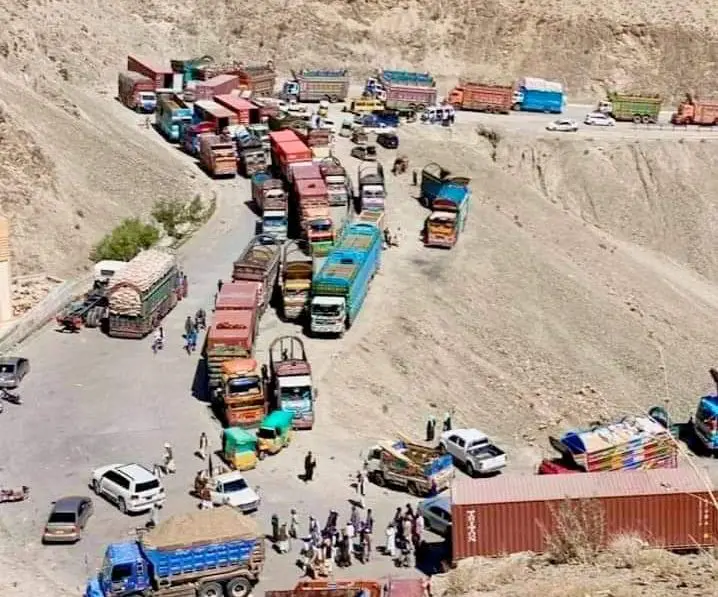
Commercial operators along the Pakistan-Iran border are facing continued uncertainty regarding trade routes following disruptions that began with a formal pause in routine border crossings on October 16. While limited vehicular traffic, specifically pre-processed freight with customs documentation completed before the shutdown, has been permitted to cross, local LPG dealers confirm that a full reopening for new commercial trade orders has not occurred. This situation is raising concerns among domestic fuel inventory and supply chain continuity, as cross-border clearances involve complex security protocols and bilateral coordination. Despite the significant economic and diplomatic ties between Pakistan and Iran, Balochistan government officials have not provided formal clarification or a timeline for resuming routine commercial activities. Stakeholders on both sides are seeking official clarity to ensure the smooth, secure, and regulated bilateral commerce vital to regional economies.

Morne Morkel, the former South African cricketer, offered lighthearted advice to the Indian cricket team regarding how to handle the challenging Wellington wind. When questioned about India's strategy to counter the fierce conditions, Morkel humorously suggested, "Make sure you get a very strong fan at home and you walk into the fan." This anecdote highlights the practical difficulties and often humorous approaches teams consider when facing unique environmental factors in different cricketing venues. It underscores the psychological aspect of dealing with external conditions in sports, where players like Bhuvneshwar Kumar might face pressure to perform despite adverse weather.

Devdutt Padikkal spearheaded India A's strong performance, scoring an impressive 199 runs, which was instrumental in establishing a significant lead of 284 runs over their opponents. His individual brilliance was complemented by crucial half-centuries from several teammates. Sai Sudharsan contributed a solid 91 runs, while Rathod added 66 to the total, further bolstering India A's position. Washington Sundar also played a vital role, remaining unbeaten on 51, ensuring the team's strong batting display continued. These collective efforts allowed India A to effectively bounce back and assert their dominance in the match, setting a commanding tone for the ongoing game.

Shadab Khan's exceptional maiden ODI century, an unbeaten 113, guided Pakistan to a sensational one-wicket victory over England in the ODI tri-series at Lahore’s Gaddafi Stadium. Pakistan, chasing a target of 242, reached 242-9 in 47.1 overs, largely thanks to an extraordinary 89-run last-wicket partnership between Shadab and Haris Rauf. This dramatic win secured Pakistan's place in the final, coming after a disastrous start to their innings where they lost wickets at regular intervals and were at one point 154-9. Earlier, England was bowled out for 241, with Pakistan captain Shaheen Afridi taking four wickets. Shadab's performance turned an almost certain defeat into one of Pakistan's most memorable recent ODI victories, highlighting his ability to perform under immense pressure.

England captain Harry Kane is the leading favorite to win the 70th Ballon d'Or award, which will be hosted in London for the first time. Kane, a Bayern Munich striker, scored 73 goals in 65 games last season, securing a league and cup double for his club and leading England to the World Cup semi-finals. However, his semi-final exits in both the Champions League and World Cup make the outcome uncertain. Young Barcelona star Lamine Yamal and French forward Kylian Mbappe are also strong contenders for the prestigious award, despite Yamal's season-ending injury and Mbappe's lack of team medals last season. The winner, determined by votes from football journalists, receives no cash prize but benefits from significant bonuses and increased marketing value.
The district administration of Upper Chitral has issued a stern warning to mobile network operators, particularly Telenor, regarding persistent public complaints about poor service quality. Assistant Commissioner Sultan Nooruddin Ahmar convened a meeting with representatives from all relevant telecom companies to address the widespread issues, including network outages, weak signals, and inadequate service. Ahmar emphasized that providing reliable services is the companies' responsibility and demanded immediate corrective measures, stating that further complaints could result in legal action against operators and tower owners, potentially leading to the sealing of mobile towers. This intervention comes after years of poor service, especially in remote areas where Telenor is often the sole provider, highlighting the critical need for improved communication infrastructure in the region.

This article provides a curated list of top applications designed for individuals to track their reading progress and explore new book recommendations. With a multitude of similar apps available, the piece aims to simplify the selection process for users seeking an effective digital tool to manage their literary journey. It addresses the common challenge of choosing among various market offerings by presenting a compilation of the most highly-rated and feature-rich options. The goal is to assist readers in finding the perfect app to enhance their reading habits, organize their book lists, and discover diverse literary works. This guide is significant for book enthusiasts looking to leverage technology to enrich their reading experience and streamline their access to new titles.

Farmers in Northern Ireland are increasingly embracing advanced technologies, marking a significant shift from traditional agriculture to what is being termed 'AI-griculture.' This transformation involves the adoption of various tech solutions, including remote monitoring systems for livestock such as cattle, and the automation of farming processes that traditionally consumed considerable time and labor. The rapid integration of these innovations is empowering farmers in the region to become highly skilled in technology, enhancing efficiency and productivity across their operations. This technological evolution in Northern Ireland's agricultural sector is important because it demonstrates a broader global trend of modernizing farming practices through digital tools, aiming to address challenges like resource management, labor shortages, and optimizing yields.

Grok, an artificial intelligence company, has released the initial seven minutes of its AI-generated adaptation of 'Odyssey.' This marks a significant development in the application of AI to creative content production, specifically within the realm of animation or visual storytelling. The early footage, according to critics, is deemed acceptable from a technical standpoint but falls short in delivering artistic depth, inspirational quality, or compelling human interest elements. This release is important as it showcases the current capabilities and limitations of AI in generating narrative content, potentially influencing future discussions around the role of AI in creative industries and the evolving definitions of artistry in a technologically advanced world. The project highlights the ongoing debate about whether AI can truly replicate or enhance human creativity.

Online videos discussing 'ferritin face' and other visual signs of low iron have gained significant traction, accumulating millions of views. These videos feature individuals who claim to be able to identify iron deficiency based on physical appearance. The phenomenon raises questions about the validity of these claims and whether such visual cues are reliable indicators of a medical condition. While the trend highlights public interest in health and self-diagnosis, it also underscores the potential for misinformation regarding complex physiological issues. Medical professionals typically diagnose iron deficiency through blood tests and clinical evaluation, rather than solely on appearance. The popularity of these videos demonstrates a public curiosity about how internal health can manifest externally, and the desire for easily accessible health insights.
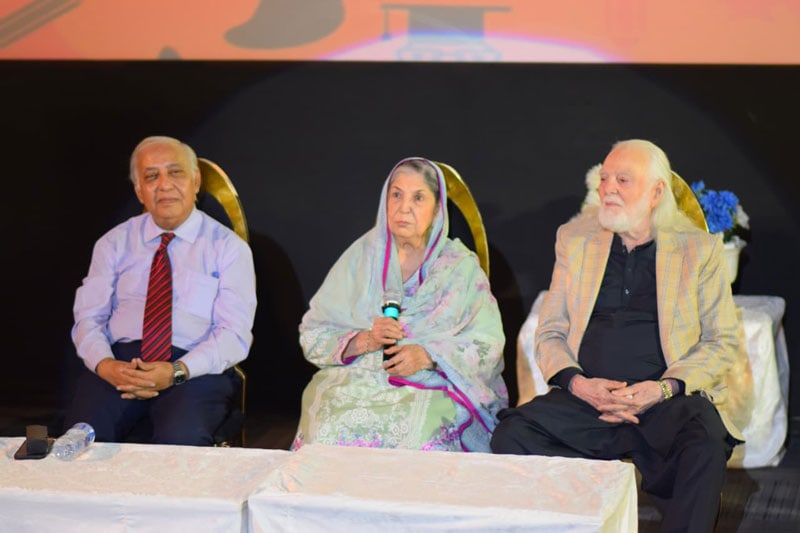
Hamdard Foundation Pakistan recently organized a session in Karachi titled “A Lamp That Still Shines” to commemorate the Martyrdom Day of Shaheed Hakim Mohammed Said on October 17. Members of Hamdard Shura Karachi and young speakers from the Hamdard Naunehal Assembly paid tribute to his extensive national services, highlighting his vision for education, healthcare, and service to humanity. Speakers, including Colonel (R) Mukhtar Ahmed Butt and Brigadier (R) Tariq Khalil, praised his patriotism, humility, and dedication to Pakistan’s progress, emphasizing his enduring mission despite his martyrdom. Young speakers and a panel discussion further underscored his contributions to education and healthcare, with Ms. Sadia Rashid detailing his disciplined life and Professor Dr. Jafar Ahmed noting his passion for medicine and role as a social reformer. Senator Abdul Haseeb Khan recounted Hakim Said’s humble beginnings, illustrating his journey from a small clinic to a profound national impact.

In China, a 68-year-old mother-in-law, Xuan Fengying, has dedicated the past 17 years to caring for her daughter-in-law, Xu, after Xu fell into a coma following a truck accident in 2009. The accident occurred just one month after Xu's wedding in Qingyun County, Shandong Province. Xuan Fengying selflessly took on the responsibility, hand-feeding her liquid food for an hour at a time, repositioning her to prevent bedsores, and engaging her with massages, bathing, family news, and music. Years later, Xu unexpectedly emerged from the coma, but the severe brain damage left her with the cognitive abilities of a four-year-old. Xuan Fengying continues her unwavering care, teaching Xu to walk and perform physical exercises, with Xu now able to speak a few words and prepare simple meals. Xuan Fengying's only wish is for her daughter-in-law's continued recovery and independence, ensuring she can care for herself even if Xuan Fengying is no longer able to.

A recent report indicates that nearly two-thirds (63%) of Australians are now entirely bulk-billed for their general practitioner visits, a significant increase from 56% in both 2024 and 2025. This rise is attributed to the federal government's enhanced financial incentives aimed at doctors and medical practices, designed to encourage bulk-billing. The survey, conducted by the RACGP, suggests a positive impact from recent Medicare investments. However, experts are cautioning that while the bulk-billing rates have improved, it is crucial to also consider the quality of care and patient outcomes, not just access to bulk-billed services. This development highlights the government's efforts to make healthcare more accessible and affordable for Australians, reflecting a direct response to policy changes affecting the medical sector.

Sharon Osbourne, the renowned TV presenter, has revealed a deeply personal daily ritual, stating that she visits her husband Ozzy Osbourne's grave every single day. She explained that his burial site is visible from her window, allowing her to maintain a close connection with him even after his passing. This intimate detail offers insight into her coping mechanism and the profound impact Ozzy's death has had on her life, highlighting her continued devotion and the emotional bond they shared. Her regular visits and conversations with him at his gravesite underscore a personal grieving process that keeps his memory alive in her daily routine. This news sheds light on the private struggles of a public figure dealing with loss and offers a poignant look at enduring love beyond life.

Emmy-winning voice actor Eric Bauza, known for portraying iconic Looney Tunes characters such as Bugs Bunny and Daffy Duck, has died at the age of 46. According to Los Angeles County Medical Examiner records cited by Variety, his cause of death was hypertensive cardiovascular disease. Bauza's family announced his sudden passing on his Instagram account, with more details to be released. Born in Scarborough, Toronto on December 7, 1979, Bauza had a prolific career with over 400 acting credits, including roles in "Avatar: The Last Airbender," "Rick and Morty," and "Minions & Monsters," and was preparing for "Bye Bye Bunny: A Looney Tunes Musical." He garnered multiple industry accolades, including three Children’s & Family Emmy Awards. While online estimates place his net worth between $1 million and $5 million, these figures remain unverified. Warner Bros. Television Group chairman Channing Dungey praised Bauza as a unique talent who continued the legacy of Mel Blanc.
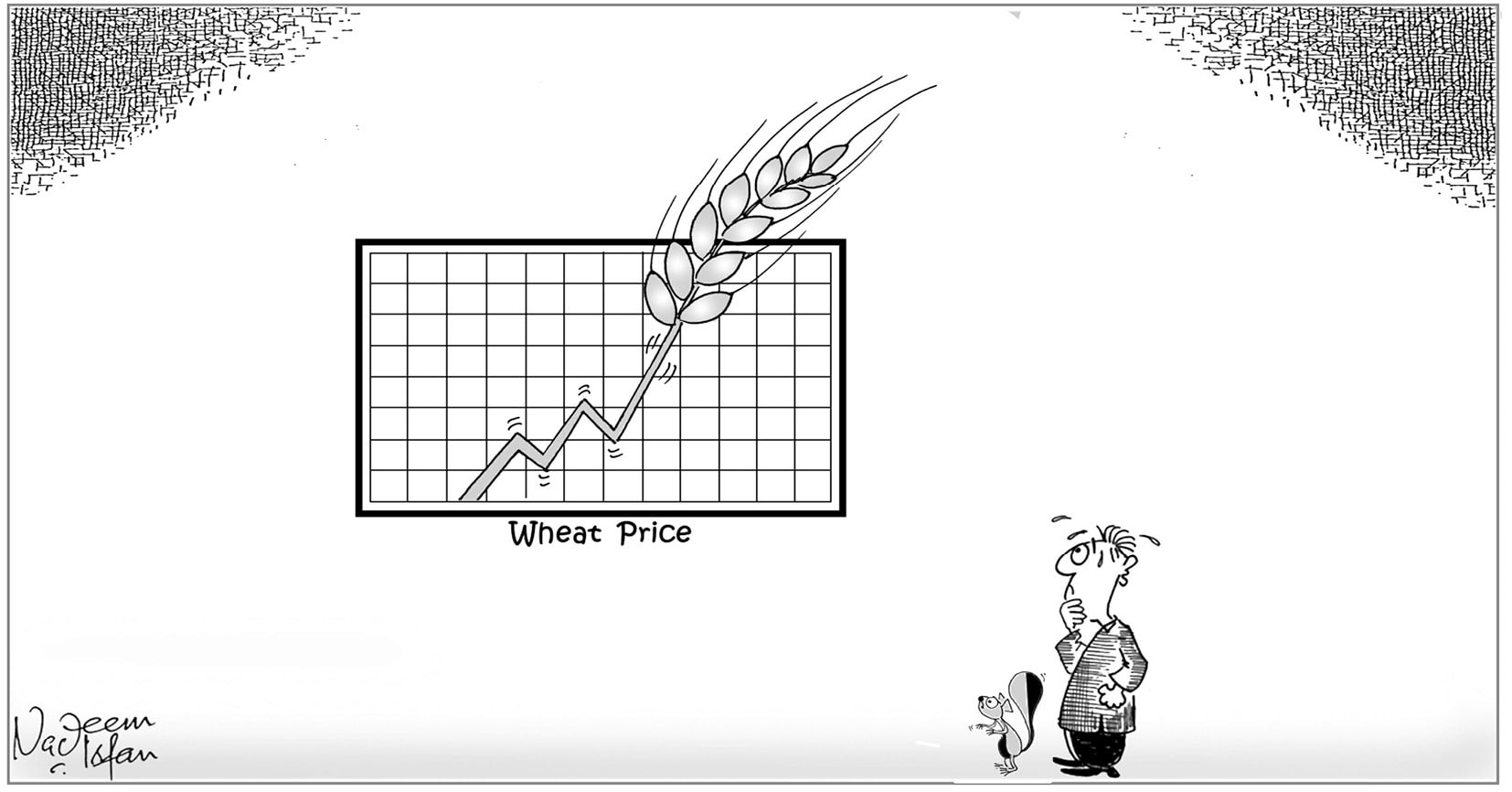
The article 'Daily Cartoon 26-10-2026' is a placeholder or title for a cartoon that is scheduled to be released or published on October 26, 2026. As there is no content provided beyond the title itself, it is impossible to determine the specific subject matter, theme, or political/social commentary that the cartoon might offer. The title indicates a recurring feature, likely a daily publication of a cartoon, which is a common format in newspapers and online media for satirical or humorous commentary on current events, daily life, or various topics. Without the actual cartoon, its 'who,' 'what,' 'where,' and 'why' remain entirely unknown, serving merely as an announcement of its future publication date.

The horror genre has experienced a successful year in 2026, with notable hits like "Obsession," the box-office success "Backrooms," and the smaller release "Hokum" all finding an audience. Adding to this momentum, HBO has officially renewed "It: Welcome to Derry" for a second season. This series is an adaptation of a story by renowned horror author Stephen King, and its renewal means that the narrative featuring Pennywise and the haunted town of Derry, Maine, will delve even deeper into the past. The announcement signifies continued investment in high-profile horror content based on established intellectual property, likely much to the delight of Stephen King fans and horror enthusiasts. The series extends the universe of one of King's most iconic creations, exploring its origins and the town's cursed history further.

Scientists have rediscovered the ancient Roman technique for creating color-changing glass, exemplified by the 1,600-year-old Lycurgus Cup housed in the British Museum. This masterpiece of optical engineering has long baffled experts because it exhibits a jade green color under normal lighting, yet transforms to a ruby red when light is shone from behind. The ability of the Romans to achieve such a sophisticated effect in glass-making has been a mystery for centuries, showcasing their advanced proficiency in the craft. This rediscovery is significant because it unravels a long-standing historical and scientific enigma, potentially opening doors for modern applications in optical engineering and material science, while also deepening our understanding of ancient technologies. The 'magic' refers to the sophisticated optical properties that allow the glass to interact with light in such a dynamic way, a feat that contemporary scientists are now able to reproduce.

Bamboo, a plant historically used for construction and household items, is now being researched as a potential renewable energy source, offering alternatives to petrol, diesel, and cooking gas. Scientific studies indicate that bamboo can be converted into combustible gas, bio-oil, and diesel-like fuels using advanced mechanical and chemical processes. For instance, research from the Worcester Polytechnic Institute in October 2026, published in Sustainable Energy & Fuels, explored the hydrothermal liquefaction of bamboo to produce bio-crude oil under high heat and pressure. Additionally, a May 2026 study in Energy demonstrated the production of syngas from bamboo using a 340-kilowatt gasification system. Another 2025 study in Energy Science & Engineering investigated processing bamboo-derived bio-oil for use in diesel engines, assessing performance and emissions. This technology could revolutionize energy production, especially if successfully adapted to local conditions and resource availability in countries like Pakistan, leveraging agricultural resources for fuel.
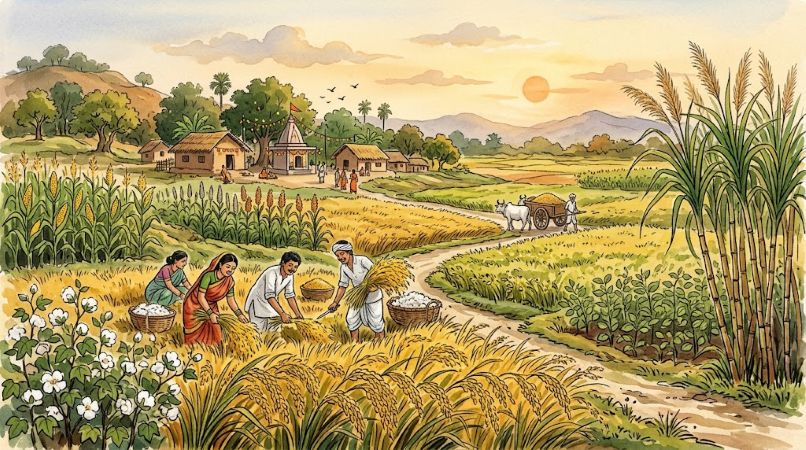
The article, "Beyond the Veil of Perception" by Kalavanti Raja, delves into the philosophical concept of how inherited truths and mythology can obscure historical reality, particularly in the context of Indian festivals. It uses the timing of Dasahra and upcoming Diwali celebrations, occurring during the abundant Hemant season, to pose questions about the origins of these festivals. Raja challenges the commonly accepted narratives surrounding Diwali, questioning if its lights predated the story of a returning prince, and examines Dussehra's portrayal of Ravana, suggesting he might have been a powerful ruler rather than simply an evil figure. These inquiries lead to a discussion of the 'Veil of Perception,' a philosophical problem associated with John Locke and Plato, highlighting how human understanding is shaped by pre-existing societal narratives long before independent thought can emerge, thus shaping perception before true understanding.

The article "Above and beyond Something Human-1" explores Rudolf Steiner's spiritual philosophy, focusing on the limitations of human perception and the concept of an invisible reality beyond our five senses. It delves into the long-standing philosophical question of whether our sensory experience constitutes the entire universe, acknowledging that science has revealed aspects of physical reality invisible to humans, like ultraviolet rays. The piece highlights Steiner's belief that human consciousness can achieve heightened perception, or clairvoyance, which he posited as a skill cultivable through practices like meditation, not merely a rare talent. Steiner's works, "Theosophy" and "How to Know Higher Worlds," outline his system for understanding these spiritual realms. While these ideas are significant in philosophical and spiritual discourse, the article notes they remain claims rather than scientifically proven facts, making their relevance understood by examining Steiner's worldview and the notion of clairvoyance as a 'spiritual sense'.

Sindh is facing a critical environmental challenge with the proposed WAPDA Ghotki Drainage Project, which involves constructing 1,067 km of drains and two outlets into the Nara Canal at an estimated cost of 156.217 billion rupees. The project aims to address waterlogging and salinity in one area, but critics argue it will divert polluted water into Sindh's freshwater resources, particularly the Nara Canal, jeopardizing the livelihoods of 6.6 million people and 2.3 million acres of irrigated land. Sindh insists that Punjab must manage its own wastewater treatment and disposal within its borders to prevent a repeat of the Manchar Lake ecological disaster, which was linked to similar drainage schemes. The province demands full transparency of the project details, an independent technical review, and a clear provincial policy that rejects any proposal allowing Punjab's wastewater into Sindh, aligning with international environmental principles that hold states responsible for preventing cross-border environmental damage.
An awareness walk and ceremony were held in Jughoor, Chitral, Pakistan, on World Snow Leopard Day 2026 to advocate for the protection of snow leopards, forest conservation, and stronger environmental laws. Organized by the Hindu Kush Environmental Protection Alliance (HEPA) with support from local authorities and the Snow Leopard Foundation, the event included students, community members, and environmental representatives. HEPA President Sarwar Kamal highlighted that Pakistan is home to the endangered snow leopard, which faces threats from climate change, human-wildlife conflict, deforestation, illegal mining, and poaching. He emphasized the species' crucial role in mountain ecosystems and linked local communities' reliance on forests for fuel to habitat destruction, urging subsidized electricity from Golen Gol to alleviate this pressure. Kamal also called for effective environmental legislation, citing recent floods in Jughoor Gol and challenges in implementing district administration orders to regulate commercial grazing, which continue to expose communities to risk.

Ahead of the US midterms, a significant debate is escalating regarding data centers and their environmental footprint, drawing considerable attention to their role and impact. These facilities are fundamental to the digital infrastructure that underpins modern society, essentially functioning as the 'lifeblood' of our online world. However, their rapid proliferation and high energy consumption are generating increasing concerns about their contribution to environmental degradation and climate change. The BBC has undertaken an in-depth analysis, utilizing charts to illustrate the rise of these data centers and to quantify their growing environmental impact, providing crucial context for the ongoing discussions. This issue is particularly salient in the political landscape, influencing voter sentiment and policy discussions, making it a key topic for public discourse.
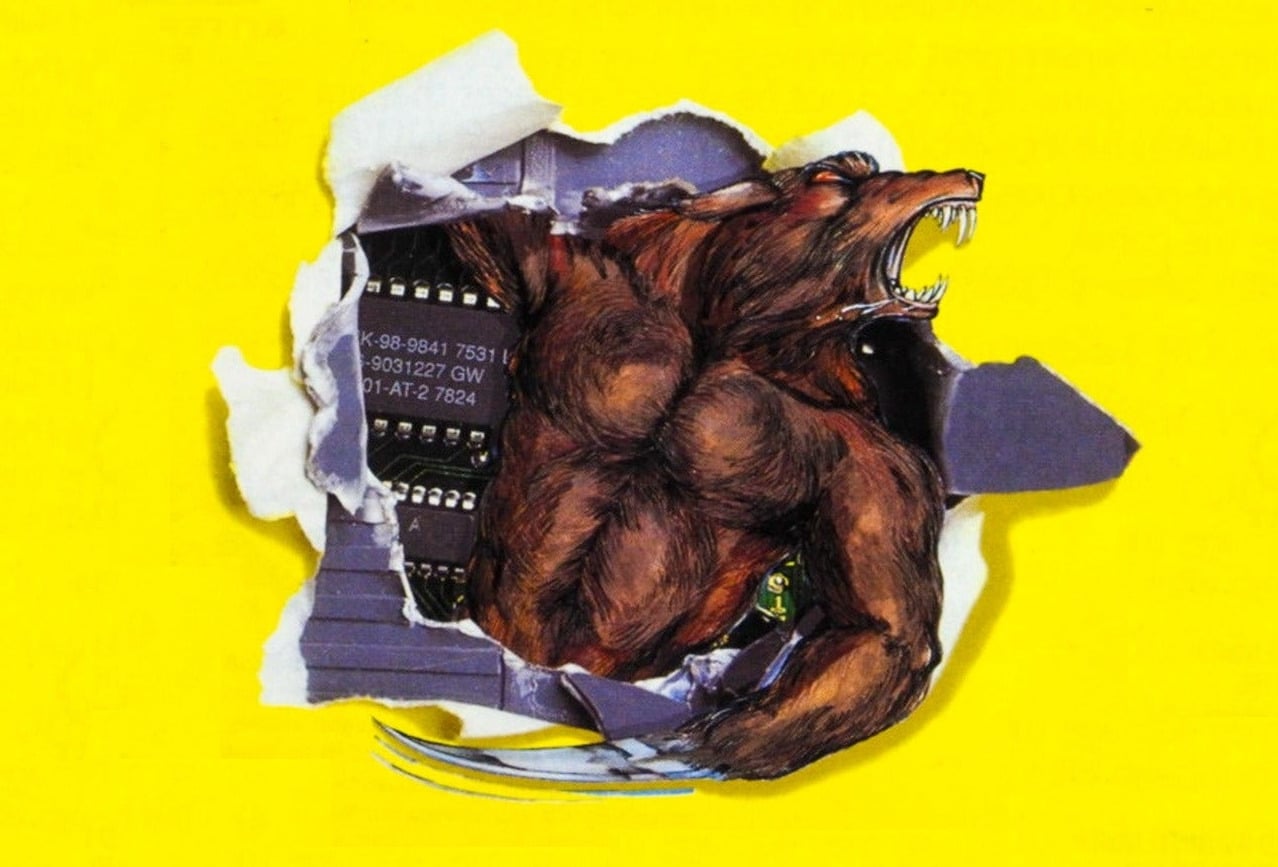
Google's data centers in Finland, already facing scrutiny over deforestation concerns, are now entangled in a new controversy involving local wildlife. The article highlights an unusual and rapid phenomenon where wildlife, specifically wolves, have reportedly migrated into urban areas near the data center overnight. This rapid relocation of animals, typically a slow process linked to environmental collapse, is controversially attributed in part to the influence of AI, suggesting a new and accelerated impact on natural habitats. The incident raises significant questions about the broader ecological consequences of large-scale technological infrastructure and the unforeseen interactions between AI-driven development and the natural world, intensifying the existing environmental debates surrounding Google's operations in Finland.

The Guardian US is hosting a live Q&A session on October 26th at noon ET to address various food safety questions. This online event will feature guest experts Rachel Sherman and Caroline L Schauer, providing an opportunity for readers to engage with professionals on important food safety topics. The discussion will likely build upon traditional food safety practices, such as washing produce and ensuring chicken is cooked to 165F, and potentially delve into more contemporary concerns or recent findings. The article also mentions that the Drexel food lab has conducted tests on kitchen appliances and cookware, including identifying the Cosori as the best air fryer and Our Place as top-tier nonstick cookware, indicating a broader focus on kitchen safety and efficiency. This initiative by Guardian US highlights the ongoing importance of food safety and providing reliable information to the public.

A new wave of inflation has gripped the country following an increase in LPG gas prices, leading to a significant rise in the cost of essential food items such as flour, meat, vegetables, and pulses. In several cities, prices for flour and pulses have increased by 50 rupees, while chicken meat has seen a 100-rupee per kilogram hike. Many LPG gas shops in Lahore have closed, and in other cities, LPG gas is being sold for 550 to 650 rupees per kilogram. Balochistan is experiencing a severe wheat shortage, with the price of a 50 kg bag of flour exceeding 8,000 rupees in districts like Khuzdar, Chagai, Washuk, and Kech. Quetta has also seen up to a 20 percent increase in the prices of vegetables, meat, and milk. Citizens are demanding that the government reduce the prices of daily necessities to alleviate their economic burden, highlighting a widespread crisis affecting household budgets across the nation.

This article presents a recipe for mushroom stroganoff, a vegetarian adaptation of the classic Russian dish. Traditionally, stroganoff features sautéed beef in soured cream, named after a 19th-century count. Onions and mushrooms were added to the recipe in the 20th century, evolving it from its original form. This particular recipe takes the evolution a step further by removing the meat entirely, promising a surprisingly satisfying dish despite the omission. The recipe is described as rich, full of flavor, and achievable in nine easy steps, requiring 15 minutes of prep time and 40 minutes of cooking, and serves four people. It offers a modern twist on a beloved age-old favorite.

Pakistan's federal government has expressed concern over the escalating prices of wheat and flour, directing federal and provincial authorities to increase supply and take necessary measures to stabilize costs. This directive comes after a significant surge, with flour prices increasing by 36.49 percent this week compared to the same period last October, according to the Pakistan Bureau of Statistics. The average price of a 20kg flour bag across the country has risen to 2,976 Pakistani Rupees, up from 2,180 Rupees last year, and also saw a one percent increase from the previous week. Specific prices vary by city, with a 20kg bag costing 3,412 Rupees in Karachi, 3,333 Rupees in Islamabad, and 3,133 Rupees in Lahore. During a cabinet committee meeting chaired by Deputy Prime Minister and Foreign Minister Ishaq Dar, the stock and supply situation of essential commodities were reviewed, confirming that current wheat reserves, both local and imported, are sufficient until the next harvest. Despite this, Dar underscored the need for urgent action to address the rising prices and ensure ample supply to the market, highlighting the government's commitment to mitigating inflationary pressures on staple food items.
A book launch ceremony was held at the Chitral Press Club for 'Sail Doi Yo,' the first travelogue written in the Khowar (Chitrali) language. Authored by renowned writer and researcher Dr. Inayatullah Faizi (Tamgha-e-Imtiaz), the event was presided over by Professor Mumtaz Hussain and attended by District Police Officer (DPO) Lower Chitral Muhammad Khalid Khan (Tamgha-e-Shujaat) as the chief guest. Speakers praised the book for its literary merit and its vivid depiction of the geographical, historical, and cultural landscapes of Italy, Spain, and Qatar, where the author traveled. DPO Muhammad Khalid Khan highlighted Khowar's richness and its capacity to encompass all literary genres, emphasizing the role of language and literature in promoting peace and countering extremism. The event, jointly organized by Chitral Press Club and the literary organization MIER (which also published the travelogue), celebrated Dr. Faizi's contributions to Khowar language and literature, marking the book's publication as a milestone for Chitral's literary landscape.

King Khalid International Airport in Riyadh, Saudi Arabia, has partially reopened, with specific terminals designated for different types of flights. Terminal 1 has been allocated for domestic flights, while Terminal 2 is set to handle international flights operated by national carriers. This reopening, occurring on May 16, 2021, according to a Reuters report, indicates a cautious return to air travel. Passengers are shown adhering to social distancing guidelines while waiting to check in their baggage, suggesting that health protocols are in place to mitigate risks. The phased reopening of such a significant transportation hub is an important step for Saudi Arabia, potentially signaling a gradual return to normalcy and economic activity, particularly in the travel sector, after disruptions caused by global events.

The author recounts a recurring Sunday experience of acting as a taxi service for visiting overseas relatives, specifically mentioning early morning airport runs to Gatwick. They reflect on the unusual coincidence of these taxi duties often aligning with their 'Sunday Papers' post, noting that if they were paid for each instance, they would have two nickels. A humorous observation is made about being paid in USD despite residing in the United Kingdom, which then segues into the international theme of the featured 'fine writings from around the globe'. The piece sets a personal, anecdotal tone before introducing a compilation of international articles.
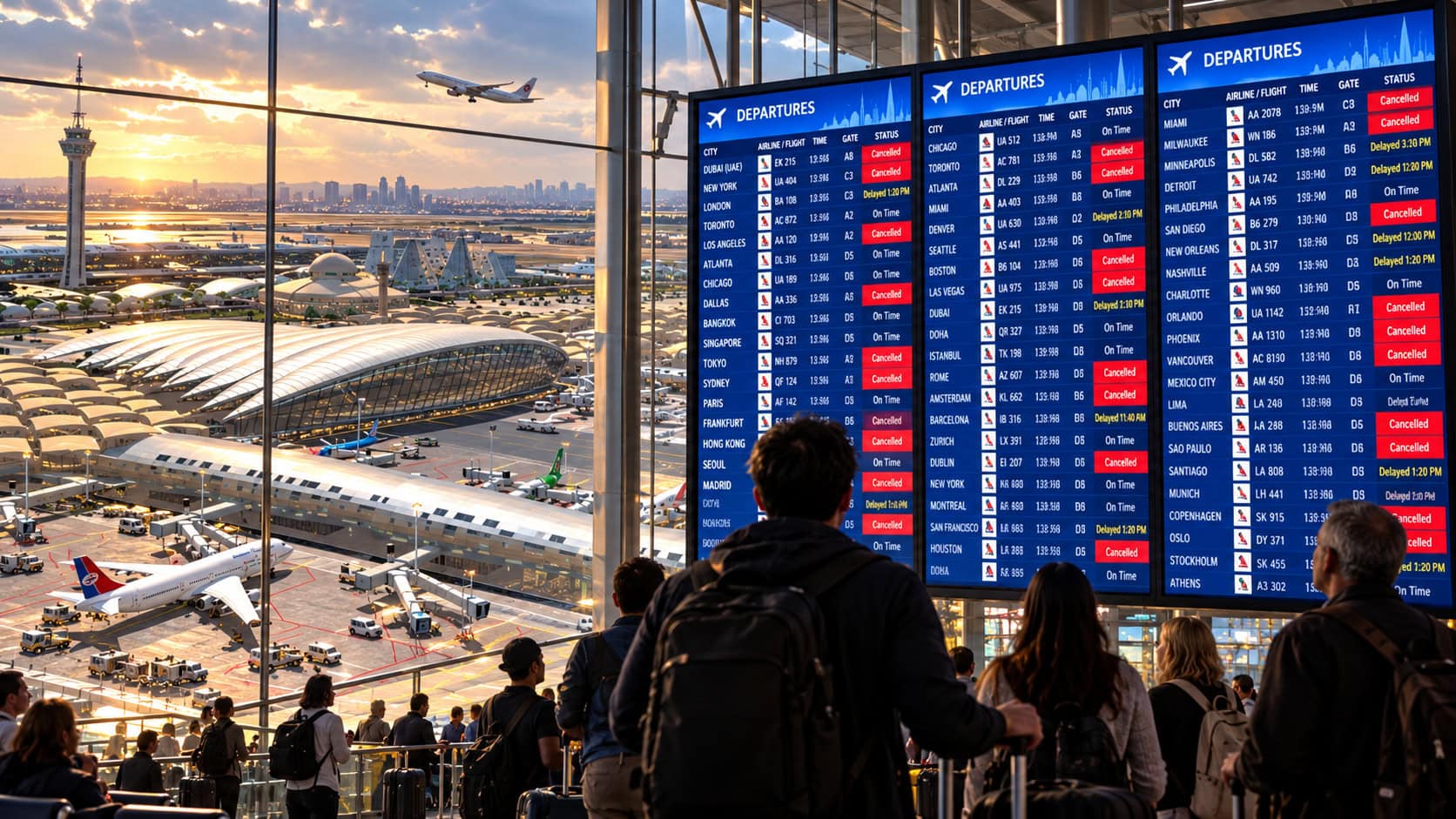
King Khalid International Airport in Riyadh, Saudi Arabia, has resumed flight operations after a two-week disruption caused by Houthi attacks. Despite the reopening, a significant number of flights, approximately 57 percent of listed departures, remain cancelled, indicating ongoing challenges. The resumption offers some relief to stranded travelers, but persistent security threats from Yemen's Houthi fighters are raising concerns about the full restoration of normal services. Passengers traveling between Riyadh and destinations including Pakistan, the UAE, Kuwait, Jordan, and the UK are strongly advised to verify their flight status due to inconsistent schedules and potential last-minute changes. The Houthi attacks, including a major incident on October 10, had forced airlines to suspend numerous domestic and international services, highlighting the geopolitical tensions affecting air travel in the region.

The article discusses the recent surge in popularity of "ugly" and deliberately strange footwear designs, which have transitioned from high fashion runways to mainstream appeal. Historically, commuter trains were filled with individuals wearing unobtrusive shoes like pumps, trainers, or ballet flats, designed to be subtle rather than stand out. However, there's a noticeable shift occurring, with consumers increasingly desiring shoes characterized by their polarizing, often flat, and somewhat orthopaedic aesthetics. This trend signifies a move away from conventional, elegant footwear towards designs that are intentionally peculiar and, as often described online, "ugly," indicating a broader acceptance and even celebration of unconventional styles in everyday fashion.

Luxury brands are transforming the ordinary, everyday tote bag, traditionally associated with errands and supermarkets, into a high-end fashion item with price tags reaching into the four figures. This phenomenon, described as 'anti-status status,' sees designers like Phoebe Philo, Toteme, Tom Ford, and Prada offering canvas totes, often made primarily from cotton, for hundreds to thousands of pounds. For instance, Phoebe Philo's cotton canvas shopper costs £450, Toteme's organic cotton canvas tote is £510, Tom Ford's version with calfskin trims is £1,600, and Prada's, with leather details, exceeds £2,000. This trend prompts a discussion about why a seemingly unostentatious item has become so aspirational, challenging traditional notions of luxury and value in fashion.

Roland Mouret, the designer renowned for his influence on fashion and as a former mentor to Victoria Beckham, created the iconic Galaxy dress, a garment that became one of the most famous and copied dresses of this century. Launched in 1998 after his debut at London Fashion Week, Mouret's design was born from a pivotal realization about cost-effective garment production: that a longer seam doesn't increase production cost. This insight allowed him to extend a top into a full dress, creating a signature piece at an accessible price point, which significantly boosted his career and established his name in the fashion world. The dress gained widespread popularity in the 2000s, embraced by royalty and A-list celebrities, and more recently, has been adopted by Maga women. Mouret's goal was to create "the female version of a man's suit," emphasizing structure and power in women's wear, which the Galaxy dress achieved through its distinctive design and strategic use of a simple zip.

Pakistan International Airlines (PIA) has chosen renowned Pakistani couturier Hassan Sheheryar Yasin, known as HSY, to design new uniforms for its cabin crew, set to debut on October 31. This initiative is part of PIA's broader effort to refresh its onboard identity and enhance its image under new management. The new collection, aiming to blend Pakistan’s cultural heritage with contemporary fashion, will be unveiled on PIA’s inaugural Boeing 787-9 Dreamliner flight from London to Islamabad. PIA highlighted its history of collaborating with international designers, including Pierre Cardin and Sir Hardy Amies, emphasizing HSY's role in continuing this legacy of bringing 'runway glamour back to the skies'. HSY stated that the designs prioritize crew comfort and confidence while representing Pakistani hospitality globally, using breathable fabrics and ergonomic construction suitable for long-haul operations.

The debate over mandatory AI disclosures in video games has reignited, primarily fueled by Epic Games CEO Tim Sweeney's strong opposition to Valve's policy on Steam. Sweeney, despite Epic's recent pivot to "AI-first" development, argues that forcing developers to disclose AI use is a political act, akin to mandatory political essays, and has significant economic costs for developers due to perceived "AI hate campaigns." Valve, however, implemented the disclosure policy to navigate the legally ambiguous landscape of AI technology in game development, aiming for greater clarity and openness in releasing AI-integrated games on Steam. The article suggests Valve's policy is more understandable given the vast volume of games released on Steam compared to the Epic Games Store, highlighting the practical challenges of managing a legally murky technology at scale. Sweeney's comments, largely expressed on Elon Musk's X, imply that Valve's actions are detrimental to developers' businesses and are politically motivated.

The Super Nintendo Entertainment System (SNES) boasts an exceptional library of games, with 77 titles currently accessible through the Nintendo Switch Online service as part of Nintendo Classics. This offers subscribers a substantial collection of retro games to enjoy on their modern console. However, a significant drawback is the absence of many highly acclaimed third-party SNES titles from the service, such as the iconic role-playing games Chrono Trigger and Final Fantasy 6, and the popular fighting game Street Fighter 2 Turbo. This omission means that while a strong selection is available, many beloved and critically important games from the SNES era are not represented, potentially disappointing fans eager to revisit the full breadth of the console's legacy. This situation highlights the challenges of licensing and availability for classic games on subscription services.
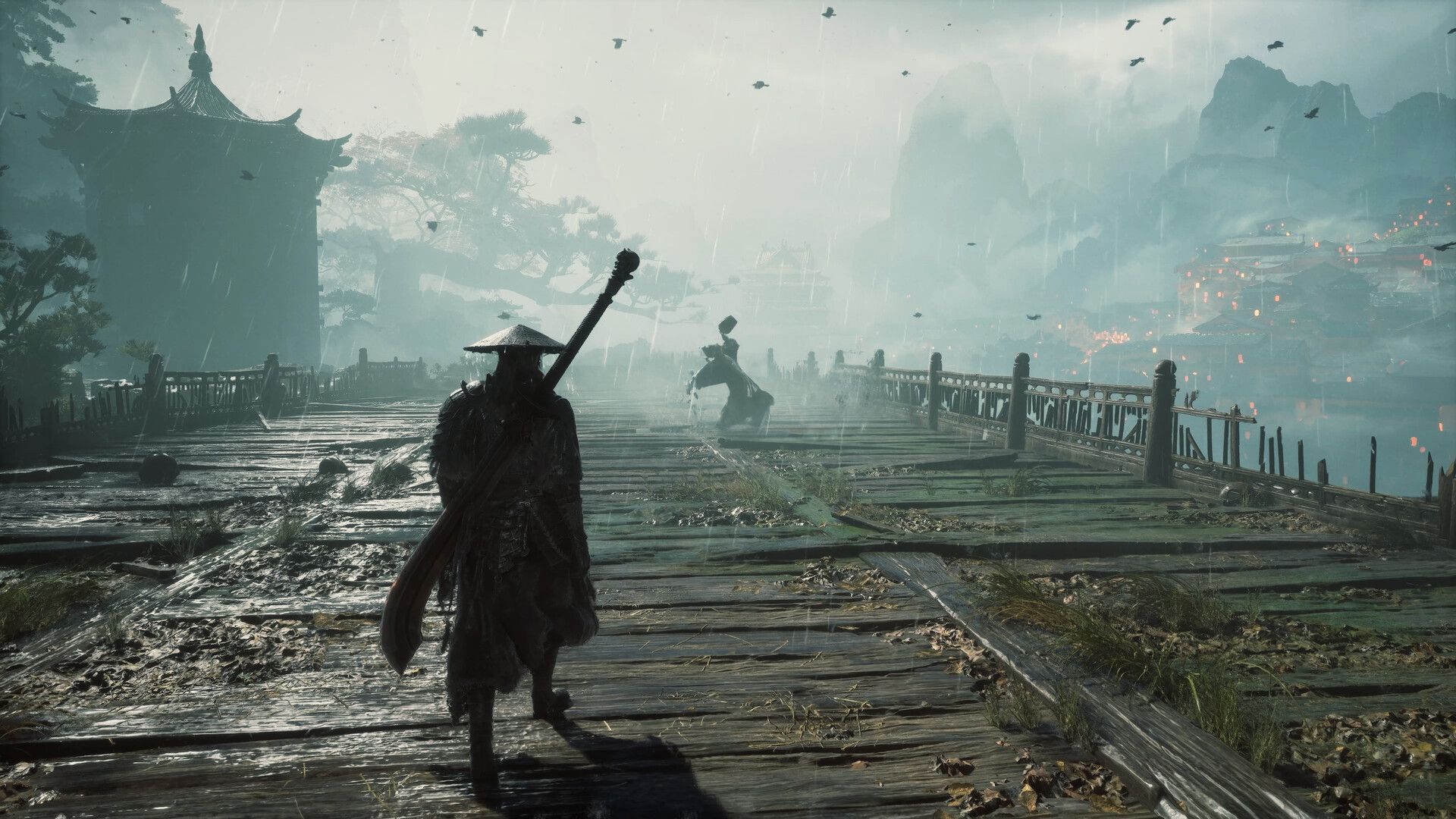
Phantom Blade Zero, an action game from S-Game with Wuxia influences, has received overwhelmingly positive reviews, positioning it as the highest-rated game of 2026 to date. This critical acclaim places it in a strong position for consideration for the prestigious 2026 Game Awards, which are scheduled to take place in December of that year. The game's strong performance in reviews is significant as it sets a new benchmark for other titles released throughout 2026, especially within the Soulslike genre. This early critical success highlights its potential impact on the gaming landscape for the year and could influence future game development trends. Its strong reception could also boost its commercial success and cultural relevance in the competitive gaming market.
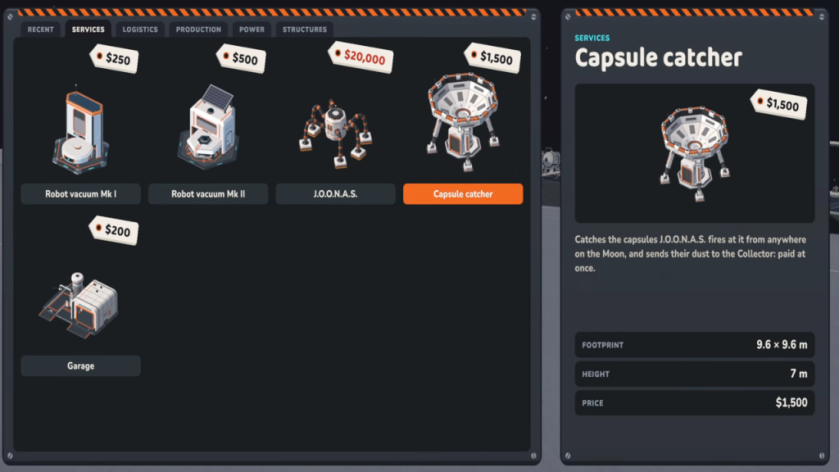
The article details the use of J.O.O.N.A.S., an autonomous bot in the game "Moon Sweepers," designed to automate dust collection on the Moon. J.O.O.N.A.S. is an expensive, endgame purchase costing $20,000, intended for players with established, automated bases. Once purchased and placed, the bot independently cleans dust and transports it back to the base, including hard-to-reach areas. A crucial component is the Capsule Catcher, which processes the dust-filled capsules ejected by J.O.O.N.A.S. Multiple bots can utilize a single Capsule Catcher if they are within range, making J.O.O.N.A.S. an efficient tool for automating lunar surface cleaning, freeing players to focus on other base management tasks.

