News in seconds. In your language.

France has reported its first human case of the Shamonda virus, a pathogen typically found in livestock. The announcement was made on Thursday and follows the death of a patient, marking a significant development in public health. This emergence of a livestock virus in humans raises concerns about zoonotic transmission and potential implications for public health, prompting closer monitoring by authorities. The discovery underscores the ongoing challenge of managing diseases that can cross species barriers, especially in countries with significant agricultural sectors like France. The event coincides with the lead-up to the 2025 Paris International Agriculture Fair, highlighting the close interaction between humans and livestock. This case is crucial as it represents the initial documented instance of human infection with Shamonda, requiring further investigation into its origins and potential spread.

A man in France has been identified as the first human case of Shamonda virus, sparking an investigation into whether the infection contributed to his death. Shamonda virus, a type of bunyavirus, is transmitted through the bites of infected midges and is typically found in livestock such as cattle, sheep, and goats. In animals, it can lead to various health issues including diarrhea, loss of appetite, decreased milk production, and reproductive problems like abortions and congenital abnormalities in offspring. This unprecedented human infection raises concerns about the potential for zoonotic spillover events and highlights the importance of ongoing surveillance for emerging infectious diseases that can jump from animals to humans, potentially impacting public health.

Eleven members of a family, including women and children, were hospitalized in Khichiwala after allegedly consuming contaminated milk distributed under the Punjab government's Chief Minister's Milk Program. The family claimed the milk was supplied to students at Government Girls Primary School (GGPS) 186/7-R, with one family member stating his daughter brought it home from school and the entire family fell ill after drinking tea made with it. They urged authorities to investigate the milk's quality, though a district education officer's report stated 132 students at the school consumed the milk without illness, and no other cases of food poisoning have been reported among the 119,915 students daily consuming milk under the program. Despite the family's claims of being uncontacted by officials for milk testing, an inquiry by Dr. Attaur Rehman, CEO (Education), found no issues with the milk's quality, noting the cartons possessed by the family had an expiration date of January 12, 2027.

Maternity units in England are facing a significant crisis, with some at risk of indefinite closure due to severe staff shortages and a rise in emergency procedures like C-sections. This issue has led to emergency department doctors, such as those at North Devon district hospital in Barnstaple, receiving crash courses in delivering babies and managing complications like shoulder dystocia and postpartum hemorrhage. The Guardian has reported that up to 20 maternity units across England could shut, highlighting a long-standing problem that prevents hospitals from safely delivering babies. This crisis is rooted in years of unresolved concerns and reflects dramatic changes in childbirth over the last decade, posing a major risk to safe healthcare for new mothers and infants.

Pope Leo, the 71-year-old leader of the Catholic Church, has successfully undergone surgery to remove the lower lobe of his right lung. Doctors have confirmed that he will not require any further treatment following the procedure. This news provides a positive update on the pontiff's health, reassuring the global Catholic community and observers that his recovery is progressing well. The surgery itself indicates a significant medical intervention, highlighting the seriousness of his condition while also confirming a successful outcome. His return to full health is crucial for the leadership and stability of the 1.3-billion-member Catholic Church worldwide.

Nigeria has confirmed its first case of Ebola, with health officials identifying the strain as Bundibugyo, which originated in the Democratic Republic of Congo. This particular strain is noted as the deadliest ever recorded in the DR Congo and marks its inaugural appearance in West Africa. The identification of the strain is a critical development, as it informs the public health response and potential containment strategies. This event signifies a worrying geographical expansion of a highly virulent form of the Ebola virus, raising concerns among international health organizations about broader regional implications and the urgent need for coordinated efforts to prevent further spread. The incident underscores the ongoing threat posed by infectious diseases and the importance of robust surveillance systems to detect and respond to outbreaks.

Women are increasingly using social media platforms to openly discuss their experiences with chronic urinary tract infections (UTIs), a health issue often considered taboo. This movement aims to dismantle the stigma associated with UTIs, which can lead to feelings of isolation and shame for those affected. By sharing personal stories under the evocative title 'Betrayed by my body,' these women are creating a supportive online community and raising awareness about the significant impact chronic UTIs have on their lives. The initiative seeks to normalize conversations around this prevalent health problem, encouraging more open dialogue and potentially leading to better understanding and support from the medical community and the general public. This collective voice is crucial for breaking down long-standing societal barriers around discussing intimate health issues, fostering empathy, and advocating for improved patient care and research into chronic UTI management.

A new study will investigate whether drugs typically used to treat diabetes and ADHD could be effective in patients suffering from Alzheimer's disease. This novel research approach involves testing multiple drug types simultaneously, with the aim of accelerating the discovery of new treatments for this prevalent form of dementia. The initiative reflects an innovative strategy to repurpose existing medications, potentially offering a faster pathway to therapeutic options compared to developing entirely new drugs. By examining these established drugs, researchers hope to uncover underlying mechanisms that could address the complex pathology of Alzheimer's. This study is significant because it could lead to quicker development of accessible treatments for millions affected by Alzheimer's, representing a hopeful advancement in a field where effective therapies are desperately needed.

Pope Leo, 71, who underwent lung cancer surgery last week, will not require further treatment as doctors have confirmed that his tumor had not spread. The pontiff had the lower lobe of his right lung removed on October 13 and was diagnosed with lung adenocarcinoma, the most common form of lung cancer. While his prognosis appears positive regarding the cancer's spread, uncertainties persist regarding his planned trip to South America next month. This development is significant as it provides clarity on the Pope's health post-surgery, impacting his immediate schedule and the Catholic Church's operations. The news offers reassurance to followers globally, though his travel plans remain in question.
A controversial US-backed hepatitis B vaccine trial, slated to be conducted on newborns in Guinea-Bissau and funded by the CDC, has been halted. The study, which had previously attracted significant global backlash, will not proceed because it failed to secure the necessary governmental approval. Frederik Schaltz-Buchholzer, a Danish researcher and the lead investigator, announced the cessation of the trial on LinkedIn. This development marks the end of a contentious research initiative that had drawn criticism worldwide, preventing its implementation in the African nation. The decision underscores the influence of international scrutiny and the requirement for national endorsement in biomedical research, particularly in vulnerable populations. The original plan involved a vaccine trial for Hepatitis B, a disease that affects millions globally, but the method and location sparked considerable ethical debate.

A recent study has revealed that the regular consumption of tea significantly reduces the risk of vascular disease by 11 percent. This finding suggests a substantial health benefit associated with a common beverage, offering a potential lifestyle modification for disease prevention. While the specific type of tea or the mechanism behind this reduction isn't detailed, the overall message points to the positive impact of incorporating tea into one's daily routine. The study underscores the importance of dietary habits in long-term health, particularly in mitigating chronic conditions like vascular disease. This research is relevant to public health and individual well-being, providing a simple, accessible way to potentially improve cardiovascular health outcomes. Further investigation might delve into the specific compounds in tea responsible for this protective effect and the optimal amount for maximum benefit.

Novo Pakistan is actively addressing concerns about insulin access for people with diabetes in the country. With an estimated 33 million Pakistanis living with diabetes and over one million relying on insulin, the company is collaborating with partners to ensure continuity of treatment. General Manager Mehtaz Sultan Khan emphasized Novo's century-long commitment to diabetes care and the critical need for reliable insulin access, pledging support for patients. Novo Pakistan plans to work with healthcare professionals, policymakers, and patient communities to improve care in the face of the growing diabetes burden. Individuals concerned about their insulin can consult healthcare professionals or utilize NovoCare.pk for resources and support.

Balochistan Chief Minister Mir Sarfaraz Bugti announced the launch of a free medical consultation app called "Sehat Dehleez" (Health at Your Doorstep) for people in remote areas of Balochistan. The initiative aims to provide medical advice to individuals who suffer from extreme weather conditions, making healthcare accessible regardless of temperature fluctuations. On its very first day, the app facilitated 791 consultation calls, connecting experienced doctors with patients for free medical guidance. This service is designed to be available 24 hours a day, 365 days a year, ensuring constant access to medical experts for the public. The launch of this app signifies a significant step towards improving healthcare accessibility and addressing the needs of underserved populations in Balochistan.

England is set to implement stricter regulations on cosmetic surgery procedures starting in 2027, aimed at enhancing patient safety and preventing adverse outcomes from poorly performed treatments. The new legislation will introduce significant restrictions on who is legally permitted to carry out various cosmetic procedures, a move designed to ensure that only qualified and competent individuals can perform these interventions. A key component of these tighter rules will be the imposition of fines for those individuals or establishments found to be in violation of the updated laws, providing a strong deterrent against non-compliance. This regulatory overhaul underscores a growing concern about the lack of oversight in the cosmetic surgery industry, where procedures gone wrong can have serious and lasting physical and psychological consequences for patients. The initiative is a direct response to a need for greater accountability and protection for the public engaging in cosmetic treatments, signaling a shift towards a more regulated and secure environment for patients across England.

A UK study involving 6,000 patients indicates that middle-aged individuals can significantly improve their cardiovascular health by losing just 5% of their body weight. This research suggests that such a modest weight reduction can decrease inflammation, lower the risk of stroke, and restore heart health to a state comparable to never having gained weight. The findings are particularly relevant given that millions globally experience weight gain as they age, which places considerable stress on their bodies and detrimentally affects their cardiovascular and metabolic well-being. This research offers a promising intervention, highlighting that even a small amount of weight loss can have substantial positive impacts on long-term health, potentially mitigating serious health risks associated with aging and weight gain.

Australian researchers have identified a newly recognized subtype of depression, which they have termed "circadian depression." This form of depression is strongly linked to disruptions in the body's internal biological clock, suggesting a distinct physiological basis. A significant study, published in the British Journal of Psychiatry, involved analyzing clinical and genetic data from 11,380 Australians, predominantly individuals experiencing severe and recurrent depression. The findings revealed that approximately a quarter (23%) of these participants were affected by circadian depression, indicating its prevalence within the broader depressive disorder population. Importantly, the researchers believe that this specific subtype of depression may not respond as effectively to conventional antidepressant treatments, highlighting a critical need for targeted therapeutic approaches. This discovery could profoundly impact the diagnosis and treatment strategies for a substantial portion of individuals suffering from depression, potentially leading to more personalized and effective interventions.

Actress Christina Applegate, known for her candidness about her health, recently revealed on an episode of her podcast, 'Messy,' that she believes she was wrongly diagnosed with Multiple Sclerosis (MS). This new development comes after she publicly shared her initial MS diagnosis in 2021, and has been open about her struggles with the neurological condition since then. Applegate expressed her dissatisfaction with this new information, stating that her symptoms have, in fact, "gotten worse" despite the re-evaluation of her condition. This revelation is significant for Applegate's fans and the broader health community, raising questions about diagnostic accuracy and the ongoing challenges individuals face in managing chronic conditions, even after receiving an initial diagnosis. Her podcast serves as a platform for discussing personal health battles and the often-complex realities of medical diagnoses.

The Supreme Court of Pakistan, led by Chief Justice Yahya Afridi, has mandated significant reforms for hospital oversight following a medical negligence case. This ruling came as the court set aside a Balochistan High Court judgment and allowed a 2018 civil petition and connected civil appeal filed by Bibi Hanifa, who sought compensation for alleged medical negligence, also awarding her costs. The Supreme Court's directives aim to enhance patient safety by requiring regular inspections and visits to operating theatres in both public and private hospitals, with punitive action taken against any violations. Additionally, the court ordered improvements in training for medical staff and the establishment of more efficient mechanisms for addressing patient complaints in public hospitals. This decision underscores a critical move towards greater accountability and quality assurance within the nation's healthcare system.

The article discusses five beneficial juices that can help combat iron deficiency and low hemoglobin levels, which cause weakness and fatigue. It emphasizes that while a balanced diet with fruit and vegetable juices can provide essential nutrients like iron and Vitamin C, these juices are not a definitive cure for blood deficiency and professional medical diagnosis is crucial. The juices highlighted include pomegranate juice, beetroot juice, plum juice, green leafy vegetable juice (especially spinach with lemon), and a blend of spinach, dates, and berries. Each juice offers specific nutrients, but the article repeatedly warns against relying solely on them, stressing that the underlying cause of blood deficiency should be identified by a doctor for appropriate treatment, especially if symptoms like persistent fatigue, dizziness, or shortness of breath occur.

This Sindhi article, titled "Seven Natural Oils for Strong Hair, Shine, and All Hair Problems!", addresses common hair issues like dryness, dullness, and damage caused by sun, pollution, climate changes, and excessive use of styling products. It highlights the importance of natural oils for maintaining moisture, reducing dryness, and softening hair. The article introduces seven natural oils beneficial for hair health, strength, and beauty: coconut oil for strength and shine, avocado oil for improving texture, olive oil for reducing dryness and natural shine, castor oil for maintaining natural shine and promoting new hair growth, jojoba oil for scalp freshness and reducing dryness, almond oil for softness and manageability, and argan oil for strength, shine, and reducing frizz. It also advises readers to choose oils based on their hair type, start with small amounts, and test on a small area if the scalp is sensitive. The article emphasizes that while natural oils may not cure baldness, they significantly contribute to softer and shinier hair.

Bereaved families are urging a ban on the 'intrusive' Oxevision camera monitoring system, currently in use across half of England's mental health wards, following what they describe as misuse leading to avoidable deaths. The call was made during the Lampard inquiry into mental health deaths in Essex, where lawyers representing the families emphasized that the continued use of the system puts 'patients’ lives at stake.' This highlights serious concerns about patient privacy, dignity, and safety within mental health facilities, especially for the most vulnerable individuals. The families' demand underscores a growing debate over the ethics and practical implementation of technology in patient care, particularly when it involves constant surveillance and has been linked to adverse outcomes. The inquiry is examining the broader context of mental health deaths, and the issue of camera monitoring systems has emerged as a critical point of contention regarding patient welfare and the prevention of future tragedies.

A recent report, the sixth from the ongoing Covid inquiry, has severely criticized the government's handling of the pandemic, specifically highlighting how its failings contributed to the rapid spread of Covid-19 within care homes. The inquiry found that a critical lack of Personal Protective Equipment (PPE) for staff and residents, combined with the controversial policy of discharging hospital patients into care homes without adequate testing, created conditions ripe for the virus to proliferate 'like wildfire'. These systemic failures are now being scrutinized as part of the broader investigation into the UK's pandemic response, aimed at understanding the missteps and ensuring lessons are learned for future public health crises. The report underscores the profound impact on vulnerable residents and care home staff, bringing to light the devastating human cost of the government's policies and oversights during a critical period.
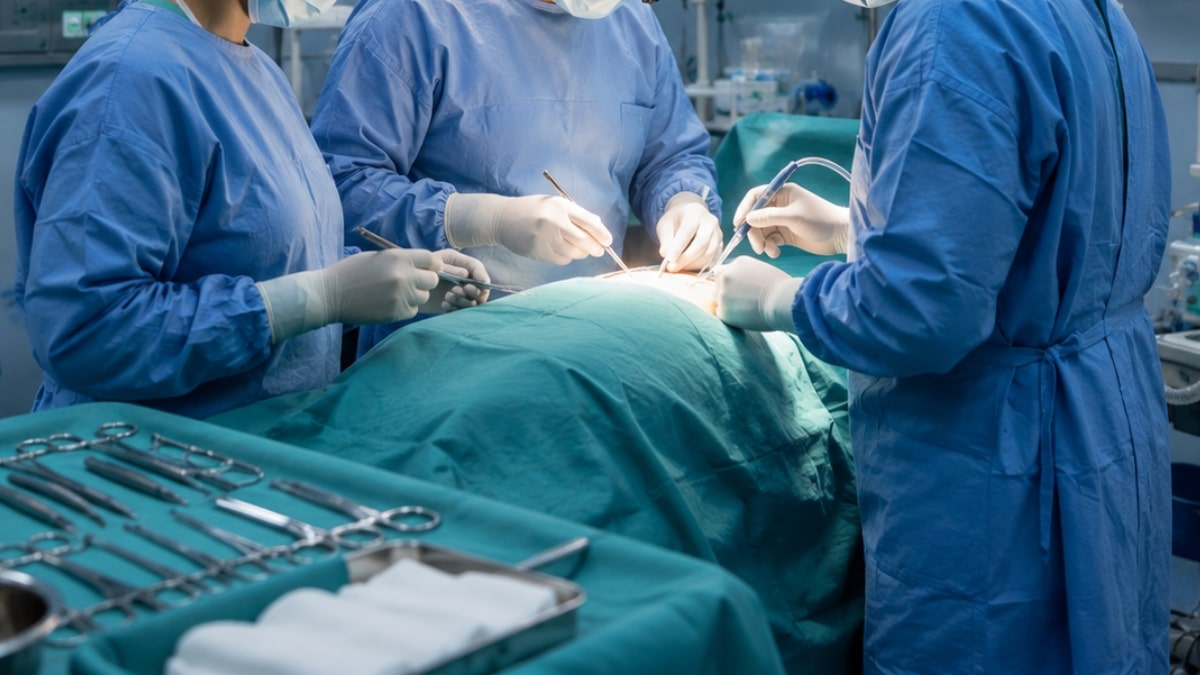
A significant case of alleged medical negligence has come to light at District Headquarters (DHQ) Hospital in Bagh, Azad Jammu and Kashmir (AJK), where approximately 200 grams of surgical bandages were reportedly left inside a woman's abdomen for a full year after an operation. This alarming oversight necessitated a subsequent procedure to remove the foreign material from her body. The incident has drawn the attention of AJK Prime Minister Iftikhar Ali Gillani, who has taken immediate action. He has directed the Director General of Health to launch a thorough and transparent investigation into the matter, emphasizing the need to identify the individuals responsible for this serious lapse. Furthermore, the Prime Minister has ordered that a detailed inquiry report be submitted without delay, underscoring the gravity of the situation and the government's commitment to accountability in public health services. This event highlights critical concerns regarding patient safety and medical standards within the region.

The sixth report from the Covid inquiry has highlighted significant failings in the management of the pandemic within care homes, detailing a shocking lack of Personal Protective Equipment (PPE) that left vulnerable residents and staff exposed to the virus. This report scrutinizes the decisions and oversights that led to severe consequences for the elderly and their caregivers. Key points from the inquiry also address the controversial restrictions placed on visitors, which isolated residents from their families and had profound impacts on their well-being. The inquiry aims to understand the systemic issues and governmental responses that contributed to these failings, providing crucial context for future pandemic preparedness. This report is vital for accountability and for informing policy changes to prevent similar tragedies, ensuring that lessons learned from the Covid-19 pandemic translate into improved care home policies and public health strategies.