News in seconds. In your language.

A new lawsuit has been filed against the Trump administration, specifically targeting the Environmental Protection Agency (EPA), for its alleged failure to address widespread atrazine pollution. The suit claims that the EPA has, for decades, violated its duties under the Clean Water Act by not adequately regulating surface-water contamination from this hormone-disrupting pesticide. Atrazine, a chemical linked to cancer, is now reported to be contaminating nearly 25% of all continental U.S. rivers, totaling approximately 860,000 miles. This extensive pollution poses a significant threat to both wildlife and human health, affecting over 20% of surface drinking water intakes and more than 675,000 private and commercial wells nationwide. The lawsuit seeks a federal judge's order to compel the administration to take action on this critical environmental and public health issue.

A staggering 50,000 people died in European cities this summer due to extreme heat, according to new research. Scientists attribute two-thirds of these deaths to climate breakdown, highlighting the severe impact of planet-baking pollution. From June to August, morgues and funeral homes were overwhelmed as an additional 32,000 lives were cut short in urban areas. Vulnerable individuals struggled with the intense heat during the day and lacked recovery time due to warm nights. The highest mortality rates were observed in Malta, Italy, and Hungary, with pre-existing health issues, loneliness, and poverty further exacerbating the death toll, underscoring the urgent need for climate action and support for at-risk populations.

A recent study by the world authority on threatened wildlife has classified an alarming 96 percent of all assessed shallow-water coral reef systems as "critically endangered." This dire classification indicates an almost universal extinction risk for these vital marine ecosystems. The study highlights a severe and widespread crisis affecting coral reefs globally, which are crucial for marine biodiversity, coastal protection, and the livelihoods of millions. The high percentage underscores the urgent need for conservation efforts and policy changes to mitigate threats such as climate change, ocean acidification, and pollution. This finding serves as a stark warning about the potential collapse of these underwater habitats and the cascading environmental and economic consequences that would follow.

The National Energy System Operator (NESO) has provided an assurance that the lights will remain on this winter, despite earlier concerns from its own engineers regarding the adequacy of electricity supply. This announcement aims to alleviate public and internal worries about potential energy shortages during the colder months. The engineers had previously expressed doubts about their capacity to maintain a consistent and sufficient power supply across the national grid. This positive update from NESO indicates that measures or assessments have been made to address those initial concerns, ensuring grid stability. The issue is significant as it directly impacts homes and businesses, with potential blackouts having severe economic and social consequences. The operator's statement provides critical clarity and confidence in the nation's energy infrastructure for the upcoming winter period.

The Met Office has issued a yellow warning for heavy rain across a significant portion of central and eastern Scotland, effective for Friday. This advisory comes as Storm Austen is anticipated to sweep across the region, bringing with it adverse weather conditions. The warning indicates a potential for disruption due to the rainfall. Residents in the affected areas are advised to prepare for wet conditions and to stay updated on further forecasts from the Met Office. This weather event highlights the impact of seasonal storms on the UK's weather patterns and the importance of early warnings for public safety.
Following a record-breaking summer with devastating wildfires across the UK, the government is establishing an 'AI Cobra unit' to detect future blazes. Prime Minister Burnham will unveil these plans, which also include funding for specialized protective gear for firefighters and the deployment of military aircraft to aid in firefighting efforts. This initiative comes after the UK experienced its hottest-ever summer, characterized by prolonged dry periods and extreme heat, which fueled numerous wildfires and even triggered emergency alerts on mobile phones in England and Wales. Data from October 8 indicates a clear increase in the annual number of recorded fires, highlighting the urgent need for new strategies to combat this growing threat. The creation of an AI-powered unit signifies a significant technological advancement in the UK's approach to national disaster management, aiming to mitigate the environmental and public safety risks posed by escalating wildfire incidents.

A powerful magnitude 7 earthquake struck northern Tibet, China, on Thursday evening at 10:33 PM, resulting in the deaths of 16 people. The tremor caused significant damage, with rescue workers seen navigating collapsed structures in Taiyang village, Liuzhou, Guangxi Zhuang Autonomous Region, as depicted in a Reuters photo from May 18, 2026. Emergency response teams have been mobilized to the affected areas to assist with search and rescue operations and to provide aid to those impacted by the disaster. The event highlights the vulnerability of certain regions in China to seismic activity and the immediate need for robust disaster response infrastructure. This earthquake underscores the tragic human cost and widespread destruction that can be inflicted by such natural phenomena, prompting an urgent humanitarian effort.

Karachi, Pakistan, is experiencing a severe urban heat crisis exacerbated by rapid unchecked development and loss of green spaces. Since 2010, the city's built-up area has expanded by approximately 32%, converting natural land into concrete and asphalt, which absorb heat and prevent proper cooling, especially at night. This transformation has led to a significant reduction in green cover, estimated at 40% over 15 years, and increased vulnerability to extreme weather events like heatwaves and intense rainfall, as evidenced by the 2015 heatwave that killed over a thousand people and the 2020 floods. The brunt of these issues falls disproportionately on residents of informal settlements, who often live in overcrowded homes with poor insulation and suffer prolonged power outages, hindering their ability to cool down. Even previously exempt affluent areas are now facing power cuts, highlighting a systemic failure of oversight and a significant public health and economic burden that disproportionately affects vulnerable populations.

Hanna Lake, a popular tourist destination near Quetta, Pakistan, known for its clear waters, boat races, and migratory birds, is rapidly drying up due to a severe water shortage and prolonged lack of rain. A significant portion of the lake, located approximately 13 kilometers from Quetta, has already dried, leading to disappointment among tourists. This environmental crisis not only impacts the lake's natural beauty but also threatens the future of hundreds of athletes involved in rowing and canoeing, as well as the livelihoods of businesses dependent on water sports tourism. Environmental experts are concerned about the future of the Hayat Durrani Water Sports Academy, the province's first and only international water sports academy, and the hundreds of trees planted under its environmental protection project. The drying lake also poses a severe threat to migratory birds, nearby gardens, and the overall natural environment, prompting calls for urgent and effective measures to remove accumulated silt and maximize water storage capacity in the lake.

The Met Office has issued a weather warning for Storm Boelo, which is set to impact the region from Saturday evening through Sunday afternoon. The warning commences at 18:00 BST on Saturday and is expected to remain in effect until 15:00 GMT on Sunday, indicating a significant period of adverse weather. This alert signals potential disruptions and hazards for residents and infrastructure during the specified timeframe. Authorities are urging the public to stay informed about weather updates and take necessary precautions to ensure safety. The extended duration of the warning suggests a considerable impact from the storm, making preparedness crucial for communities in its path.

A rare and damaging storm brought significant hail to Phoenix, Arizona, causing widespread disruption and creating dangerous conditions. Videos circulating from the state capital captured intense scenes, including individuals seeking shelter inside a car as large hailstones shattered the vehicle's windscreen. The severe weather event was accompanied by intense downpours, which led to neighborhoods being covered in ice. This unusual weather phenomenon for the region highlights the increasing unpredictability of climate patterns and the immediate impact such extreme events can have on public safety and infrastructure, demonstrating the vulnerability of even typically warm climates to sudden severe weather.

Central Arizona experienced violent overnight storms that caused significant damage, including toppled trees, downed utility poles, and golf ball-sized hail. The severe weather, which carried thunder and heavy winds, led to trees falling onto homes and infrastructure being damaged. The National Weather Service issued warnings for central Arizona early Thursday, indicating the potential for hail, wind damage, flood watches, and even tornadoes. This event highlights the destructive power of severe weather systems and their immediate impact on communities and local infrastructure.
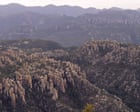
Chiricahua, an area in south-eastern Arizona known for its towering rock spires and referred to by Native Americans as the Land of Standing-Up Rocks, has been officially designated as America's 64th national park. This new status was achieved through legislation that received bipartisan support in Congress before being sent to the White House. President Donald Trump signed the bill on Tuesday, finalizing its designation. The unique geological formations of the park were created from an ancient volcanic eruption. This designation is significant as it adds a new protected area to the national park system, preserving a distinctive natural landscape and its historical and cultural importance, as evidenced by its recognition among Native American communities.

A severe storm has led to tragic consequences in southern France, with at least four fatalities reported. The victims include two women who were discovered drowned in a cellar within the Bouches-du-Rhône region, highlighting the destructive power of the associated flooding. This incident underscores the serious risks posed by extreme weather events and their immediate impact on local communities. Authorities are likely to be investigating the full extent of the damage and coordinating rescue or recovery efforts. The event serves as a stark reminder of the vulnerability of infrastructure and human life to sudden and intense weather phenomena, prompting concerns about preparedness and response mechanisms in such areas.

A Stormont committee has issued a warning that Northern Ireland is at risk of failing to meet its 2030 energy targets, a shortfall that could have significant economic repercussions. The committee, whose identity was not specified beyond being a Stormont body, heard expert testimony or reports indicating that the current pace of action toward these energy goals is insufficient. If Northern Ireland does not accelerate its efforts in this area, it stands to miss out on potential economic opportunities that are likely tied to green energy investments, technological advancements, and job creation within a sustainable energy sector. The background implies that Northern Ireland has established energy goals for the year 2030, likely related to renewable energy adoption, emissions reduction, or energy efficiency. This situation matters because failing to meet these targets could not only hinder economic growth but also potentially lead to environmental degradation, increased energy costs, or a diminished competitive standing in a global economy increasingly focused on sustainability. The urgency conveyed by the committee highlights the need for immediate and decisive policy implementation and investment to mitigate these risks and secure future benefits.

The US Department of Agriculture (USDA) officially confirmed the first detection of the flesh-eating New World screwworm parasite in US wildlife, specifically in an elk in Pecos County, Texas. This significant finding was reported after a hunter harvested the elk on a game ranch, prompting immediate concern from officials. The screwworm is known for its devastating effects on livestock and wildlife, with its larvae feeding on living flesh, which can lead to severe injury and even death. The USDA has issued a warning to hunters and ranchers in the region, urging them to remain vigilant and take precautions to help prevent the spread of this dangerous parasite. This development is crucial as it signifies a potential threat to animal health and agriculture in the United States, requiring prompt action to contain and eradicate the parasite to protect both domestic animals and native wildlife populations.

Liza Tambunan of the BBC is currently reporting from central Kalimantan, Indonesia, to investigate and explain the severe nature of peat fires, which are contributing to Indonesia experiencing its most devastating wildfire season in ten years. The report aims to clarify what peat is and provide crucial context as to why this particular type of fire poses such significant environmental challenges. This current situation highlights a recurring problem for the region, with the intensity of this year's fires raising serious concerns about environmental impact and public health, necessitating a deeper understanding of peatland ecology and fire management strategies. The presence of the BBC reporter on the ground underscores the global significance and urgency of addressing these environmental crises.

Karachi experienced another day of intense heat on Wednesday, with the maximum temperature reaching 38.5 degrees Celsius for the second consecutive day. The Pakistan Meteorological Department (PMD) attributed the conditions to prevailing northeasterly and northwesterly winds, strong sunshine, and weak sea breezes, despite low humidity levels which stood at 17 percent. The Met Office's Early Warning Centre forecasts that hot and dry weather will continue for the next three days, with similar wind patterns. However, the low daytime humidity is not expected to lead to heatwave-like conditions. Meanwhile, several rural districts in Sindh, such as Mithi and Shaheed Benazirabad, also recorded high temperatures of 41°C and 40°C respectively, indicating a broader regional heat trend.

The article from BBC Verify focuses on the Jackdaw gas field decision, analyzing its potential impact on several key areas, specifically energy bills, the broader energy security of the UK, and environmental concerns. It aims to provide readers with a comprehensive understanding of what the approval or development of the Jackdaw field signifies. The core of the piece delves into the volume of gas Jackdaw could supply and, critically, whether this additional supply would translate into tangible reductions in consumer energy costs. This background is essential for understanding the UK's current energy strategy amidst ongoing debates about fossil fuel extraction and climate change commitments. The analysis is important because it connects a specific energy project to everyday economic concerns and long-term environmental policy.

A growing number of US citizens who have survived extreme weather disasters, such as the floods in Texas that killed 136 people last year, are beginning to organize themselves into a political force. These survivors are united by their experiences with severe wildfires, floods, and storms, events that are increasingly impacting a significant portion of the American population, estimated at about half. Their aim is to advocate for more effective disaster response mechanisms and to push for action on the highly debated issue of global heating, reflecting a collective desire to transform personal trauma into political action against the backdrop of a worsening climate crisis.

A significant infrastructure project has been proposed to address the ongoing issue of sewage spills into Windermere, a prominent lake. These spills have been identified as the primary cause of the lake's water turning green, signaling a serious environmental concern. The proposal involves constructing a giant tunnel designed to intercept and manage the sewage, thereby preventing it from entering the lake. This initiative aims to restore the ecological health and aesthetic quality of Windermere, which is crucial for both local ecosystems and tourism. The plan indicates a substantial investment in environmental protection and public health, acknowledging the detrimental impact of current sewage management practices. This development is essential for safeguarding one of the region's key natural assets.

A new report from the Asian Development Bank (ADB) warns that annual coastal flood damages in Asia and the Pacific could surge more than sixfold to $172 billion-$199 billion by 2050, and nearly twentyfold to $520 billion-$739 billion by 2100, if adaptation measures are not implemented. This is a dramatic increase from the current $27 billion in annual damages. The report highlights that the region's coastlines, which generate $7 trillion in economic output, are increasingly vulnerable to rising sea levels and coastal hazards. However, investing $9 billion-$19 billion annually in coastal protection could prevent $178 billion-$360 billion in damages each year, demonstrating that such investments could yield benefits up to 20 times greater than their cost. The ADB emphasizes the critical need for long-term, adaptive solutions, as over 400 million people in the region live within 10 kilometers of the sea, and major cities like Bangkok and Mumbai could see centennial floods become annual occurrences without intervention, threatening vital economic centers and atoll nations with severe GDP impacts.

A great white shark made a spectacular appearance off Marina State Beach in California over the weekend, unexpectedly leaping several feet out of the water. The dramatic event was captured in videos circulating online, showing the shark in the background as a group of friends were posing for photos on the beach. This incident provided an incredible, albeit unplanned, photobombing moment for the beachgoers, highlighting the presence of marine life close to shore and offering a rare glimpse of a great white shark's powerful breach. The occurrence quickly garnered attention online due to its visual impact and the unusual nature of the shark's proximity to recreational activities.

A previously habituated wild coyote, nicknamed "Wiley" by some and reportedly fed by residents, was euthanized in Los Angeles's trendy Atwater Village neighborhood after attacking a one-year-old boy. The incident brought to a head a long-standing conflict among residents, some of whom had grown fond of the animal as it roamed freely for months, even sleeping in backyards, while others feared its increasing comfort around humans made it dangerously bold. The coyote's prolonged presence in a residential area, its interaction with people (including being fed), and the subsequent attack on a child highlight the significant challenges of wildlife management in urban environments and the complex human-animal conflicts that arise when wild animals lose their natural fear of humans.