News in seconds. In your language.
Khyber Pakhtunkhwa (KP) Governor Faisal Karim Kundi has officially granted deputy commissioners the authority to order arrests and detentions under Section 3(1) of the Maintenance of Public Order (MPO) Ordinance, 1960. This delegation of powers was formalized through a notification from the Home and Tribal Affairs Department, mandating prompt action by DCs upon receiving cases from district police officers. This significant decision comes in the wake of an emergency declaration in the province and the removal of the PTI government on October 11, aiming to streamline administrative processes and ensure swift measures for maintaining law and order. Governor Kundi has emphasized that these powers must be exercised strictly within constitutional and legal bounds, issuing a stern warning against any potential misuse of authority. The government's primary objective remains the assurance of public peace, safety, and security across the province.

The article highlights the severe issues of exorbitant utility bills and excessive taxation in Pakistan for services like electricity and gas, which are frequently unavailable. It presents three cases where consumers received bills with significantly inflated taxes, far exceeding the cost of actual consumption. For instance, a PTV user received a electricity bill of 900,000 PKR, including 422,000 PKR in taxes, while experiencing 16 hours of daily power outages. A gas bill from Gujranwala for 177,000 PKR in taxes alone, with daily 20-hour load shedding, and an electricity bill from Chitral showing 17,000 PKR in taxes on a 12,000 PKR usage, are also cited. The author draws a parallel to a humorous anecdote from a bar in Frankfurt, Germany, where a customer was charged numerous levies for geopolitical aid on a beer, only to find out there was no beer available after the transaction, subtly implying that the Pakistani utility companies are even less just.

Masood Khan, a young athlete from Pakistan, has established a new world record by completing an 800-kilometer non-stop run from Peshawar to Skardu. This ultra-endurance feat took approximately nine days, traversing the highly challenging Karakoram Highway, the valleys of Gilgit-Baltistan, and the Indus River, a route known for its steep mountains, extreme weather, and isolation. Khan expressed immense pride in this achievement for Pakistan, emphasizing that his commitment to his country fueled him through extreme physical exhaustion and difficulty. Despite significant struggles with his feet, his determination to represent Pakistan globally drove him to complete the challenging journey.
The Khyber Pakhtunkhwa (KP) government has partnered with a Chinese company and a local organization to implement modern mining technology in the province. This agreement, signed in Peshawar, aims to reduce mining costs, enhance safety, and improve environmental standards within KP's mineral sector. Dr. Muhammad Irshad, a member of the Advisory Council on Industries and Commerce, highlighted that modernizing the sector and supporting investors are key government priorities. The initiative also includes considering a proposal to establish a local production unit for this technology, which is expected to create jobs, bolster local technical skills, and foster further cooperation in developing the province's mining resources. This move is part of a larger strategy to align KP's mineral sector with current industry requirements and promote advanced mining practices.
The Khyber Pakhtunkhwa (KP) government in Pakistan has successfully auctioned four markhor trophy hunting permits, generating a record-breaking revenue of over Rs335 million (approximately $1.2118 million). The auction, supervised by Chief Conservator of Wildlife Dr Mohsin Farooqi, saw permits for village conservation committees in Chitral and Kohistan. The highest bid of $335,600 (around Rs92.965 million) was for the Toshi Two permit in Chitral, surpassing last year's record. Other permits, Toshi One, Gahiret Gol, and Kaigah Khowar, also fetched significant amounts, collectively contributing to the total. This program is designed not only to generate revenue but also to support local communities, with 80 percent of the proceeds allocated for their welfare and wildlife conservation, while the remaining 20 percent goes to the government treasury. This initiative builds on previous successful auctions, demonstrating a continued effort to balance conservation with community benefits.
The Young Doctors Association (YDA) Khyber Pakhtunkhwa has accused the provincial Health Department of widespread corruption, threatening a 'Save Health Movement' if no action is taken. YDA Chairman Dr. Asfandyar Bettani stated that evidence of corruption was submitted to provincial leaders 40 days prior, but no meaningful action has been pursued, with the Health Minister allegedly halting proceedings. The YDA also highlighted unreleased inquiry findings into financial irregularities at Hayatabad Medical Complex, alleged irregularities in medical officer recruitment, and the government's failure to implement a promised 40% pay raise for doctors. Furthermore, the association expressed concerns over over 6,000 vacant doctor positions and demanded transparent appointments through the Public Service Commission, while also alleging widespread corruption in MTI hospitals and politically motivated senior management appointments.
The article expresses a deep nostalgic sentiment for Chitral, describing it not merely as a place but as a sacred ethos representing peace, unconditional care, and communal harmony. The author, who grew up in the shadow of Tirich Mir, reflects on their childhood perception of Chitral as an organic paradise. This piece is a contemplation on the changing nature of a cherished home and its societal values, suggesting a concern for its future trajectory. It implies a lament over potential shifts from its original, idyllic state.
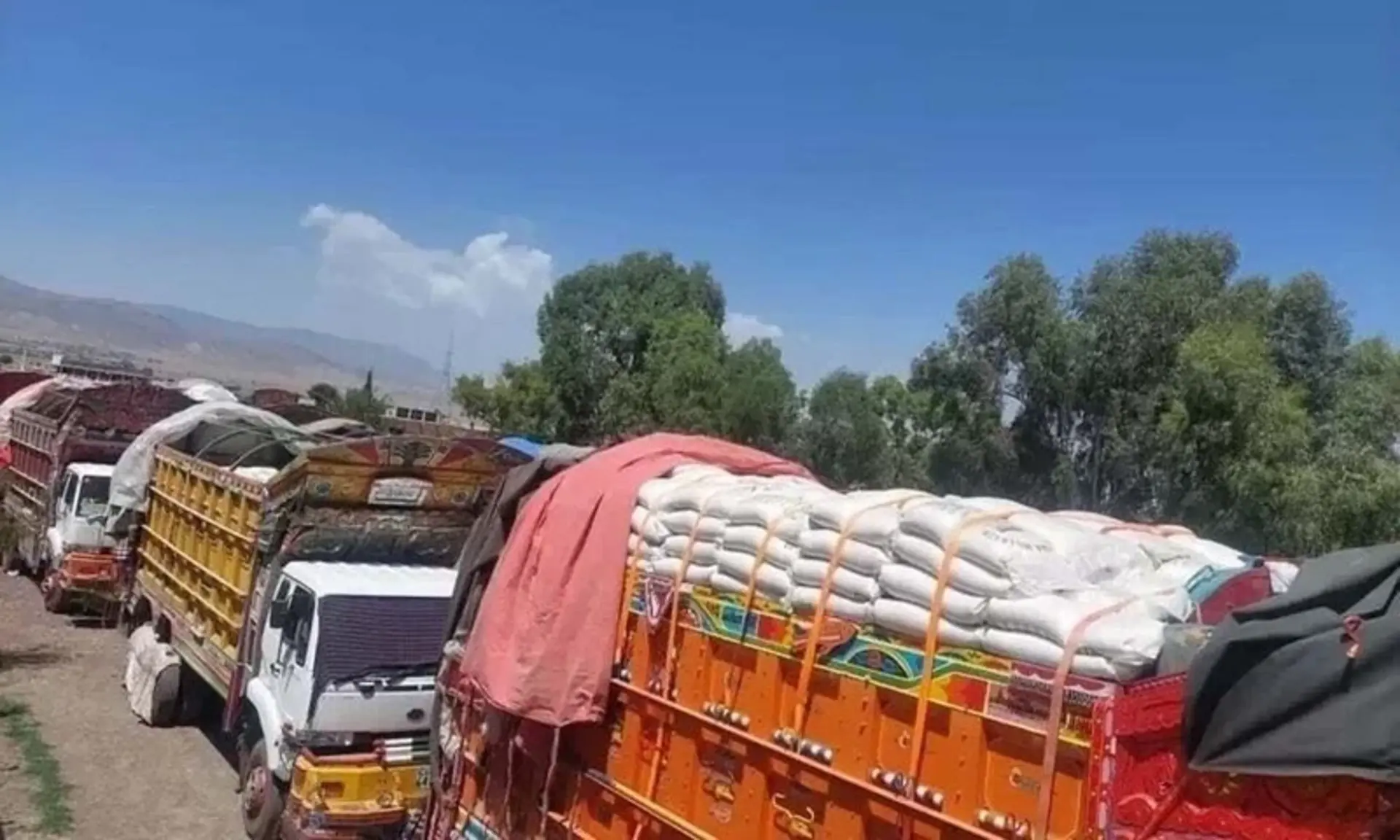
Khyber Pakhtunkhwa (KP) is facing an escalating wheat crisis, with flour prices surging due to severe disruptions in supply from Punjab. Muhammad Naeem Butt, chairman of the Pakistan Flour Mills Association (KP chapter), has urged the provincial government to intervene, highlighting KP's heavy reliance on Punjab for wheat. Despite a surplus in Punjab, transportation to KP is reportedly blocked by illegal checkpoints causing delays, alleged extortion, and vehicle confiscation, which Butt terms a violation of constitutional provisions for free movement of goods. This blockage is preventing KP from building strategic reserves, threatening a more severe crisis, and the association is pushing for government engagement with federal and Punjab authorities to ensure smooth supply and stabilize the market.
The Peshawar High Court (PHC) on Wednesday issued directives to de-seal the residence of Khyber Pakhtunkhwa Assembly Deputy Speaker Suraiya Bibi and restrained police from arresting her under Section 3 of the Maintenance of Public Order (3-MPO). A bench comprising Justice Ijaz Anwar and Justice Mohammad Faheem Wali heard a petition filed by Suriya Bibi, who challenged a police raid on her government-allotted residence, its subsequent sealing, and the threat of her arrest. Her counsel argued that the authorities raided and sealed the house on October 14, following the imposition of an emergency and Governor’s Rule in the province on October 11, asserting that the residence could not be lawfully sealed even during an emergency. The court suspended the sealing notification, ordered immediate restoration of access to the premises, and sought replies from the chief secretary, inspector general of police, and other respondents before the next hearing. This decision underscores the judiciary's role in safeguarding individual liberties and property rights even amidst emergency declarations.

Pakistan's National Accountability Bureau (NAB) is investigating Khyber Pakhtunkhwa Housing Minister Dr. Amjad Ali for alleged assets beyond known income and irregularities within the province's housing authority, specifically targeting the multi-billion-rupee Mega City Nowshera project. A major concern is the project's land, reportedly along the Kabul River, for which the Khyber Pakhtunkhwa Housing Authority allegedly lacks transfer documents or possession records. NAB has requested extensive documentation on land acquisition, financial arrangements, and a joint venture with Leaf Private Limited, including specific agreements signed in February 2022. The inquiry also covers property transactions involving Dr. Amjad Ali and his family, with investigators seeking records from various government departments and former housing authority officials. The allegations against Dr. Amjad Ali and the project remain unproven, and the investigation is ongoing, raising significant questions about government transparency and land ownership in large-scale public developments.
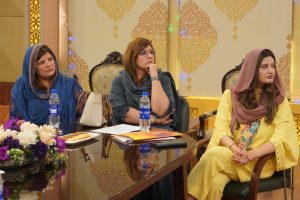
A delegation from the Department of Media and Communication Studies at the National University of Modern Languages (NUML) visited Khyber Network Head Office in Islamabad to explore collaboration opportunities under the KAMTECH initiative. The visit focused on strengthening ties between media education and industry-based training, with a detailed briefing on KAMTECH's vision for modernizing media education and professional training in Pakistan. KAMTECH (Khyber Academy for Media Technologies) is a national initiative designed to bridge the media skills gap by converting industry experience into a structured national training authority and involves an ATOM Council for strategic oversight. The session highlighted the importance of academia-industry linkages to equip students with job-oriented skills, bringing together key figures from NUML and Khyber Network.

Pakistan Test spinner Sajid Khan has voiced his disappointment after being excluded from Peshawar's T20 team and the National T20 tournament. Speaking in Karachi, Khan questioned his white-ball cricket progression without opportunities and expressed concern over his chances in the Pakistan Super League (PSL) if his home region doesn't select him. Despite good preparation, he believes he has been unfairly labeled a red-ball specialist, emphasizing his ongoing commitment to hard work and performance to prove his capabilities in all formats.
The government of Khyber Pakhtunkhwa (KP) has equipped Rescue 1122 Dir Lower with a modern drone to significantly improve rescue operations during floods, river accidents, and other emergencies by enabling timely surveillance and response. A practical exercise, supervised by Deputy Director Operations and Coordination Khyber Pakhtunkhwa Niaz Ali, was conducted at the Rescue 1122 TWRP camp in Rabat along the Panjkora River, involving water rescue personnel from Dir Lower, Dir Upper, and Chitral. The training focused on familiarizing personnel with the drone's operational capabilities, including identifying stranded individuals, aerial surveillance, guiding rescue teams, and transporting heavy equipment and supplies, which it successfully demonstrated. District Emergency Officer Rescue 1122 Dir Lower Sanaullah highlighted the drone's importance for rapid identification and accurate information in remote and difficult-to-access areas, providing a clearer aerial view for better decision-making.
Former Khyber Pakhtunkhwa Minister and PPP leader Saleem Khan has accused both the federal and provincial governments of failing to respond to devastating floods in Chitral that occurred on August 3. Khan held a press conference in Peshawar to highlight the widespread destruction, which includes three deaths, washed-away bridges, damaged roads and infrastructure, and destroyed crops and irrigation channels. He criticized the "silence" of the chief minister, provincial ministers, NDMA, and PDMA, despite their resources, and called for an immediate emergency declaration and relief operations. The floods have severely impacted communication, leaving several areas cut off, and residents are facing extreme difficulties, with some forced to travel on foot for hours.
Khyber Pakhtunkhwa Chief Minister Muhammad Sohail Afridi has ordered the completion of the revamping of District Headquarters (DHQ) hospitals across the province by the end of the current fiscal year, warning against further delays in this public welfare project. Chairing a meeting, Afridi instructed departments to accelerate work, prioritize hospitals needing less development, and remove all implementation bottlenecks. The chief minister also emphasized the importance of the proposed Health City project, alongside the rehabilitation of Rural Health Centres and Basic Health Units, and directed officials to expedite its implementation phase. Officials reported that four PC-I schemes totaling Rs33.085 billion for 32 secondary care DHQ hospitals have been approved, with Rs2.55 billion in medical equipment already delivered and civil works expected to begin soon. This initiative is crucial for modernizing healthcare facilities and meeting the province's growing healthcare needs.

Six people were killed and three are missing after a tourist boat capsized on Saifullah Lake in Kalam, Upper Swat. The boat was carrying nine members of the same family from Pakistan's Punjab province when it overturned. Rescue 1122 Swat teams recovered six bodies, and search operations are ongoing for the missing individuals. Authorities are investigating the cause of the accident, and the provincial government is arranging for the transportation of the victims' bodies to their hometowns.
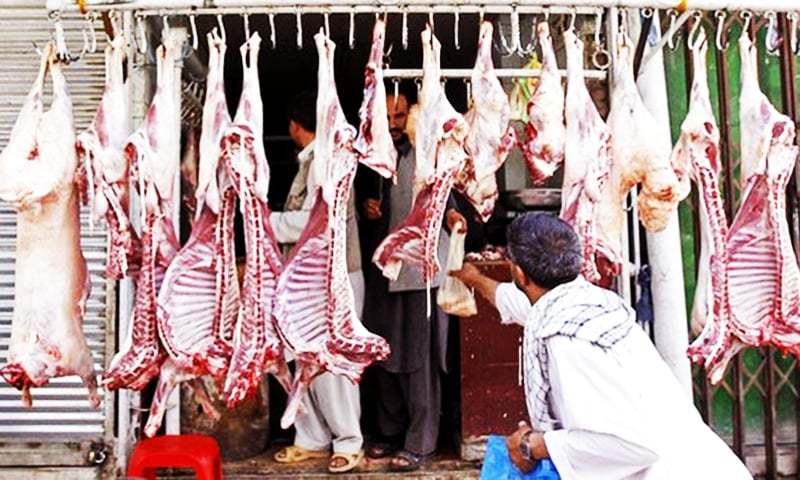
Residents in Peshawar are facing widespread alarm and financial strain due to reports of meat from dead animals being sold in local markets, coinciding with a severe surge in meat prices ahead of Eid ul Adha. Small meat has reached up to 3,500 rupees per kilogram and beef 1,500-1,800 rupees, making basic quantities unaffordable for many middle-income families already grappling with inflation. This dual crisis has led to reduced meat consumption and a profound erosion of public trust in food safety and market integrity. Despite growing complaints and calls for action, local authorities have shown little visible response to control prices or investigate these serious claims, further intensifying public frustration. The situation highlights a critical breakdown in market monitoring and consumer protection, leaving residents vulnerable to both health risks and economic hardship.
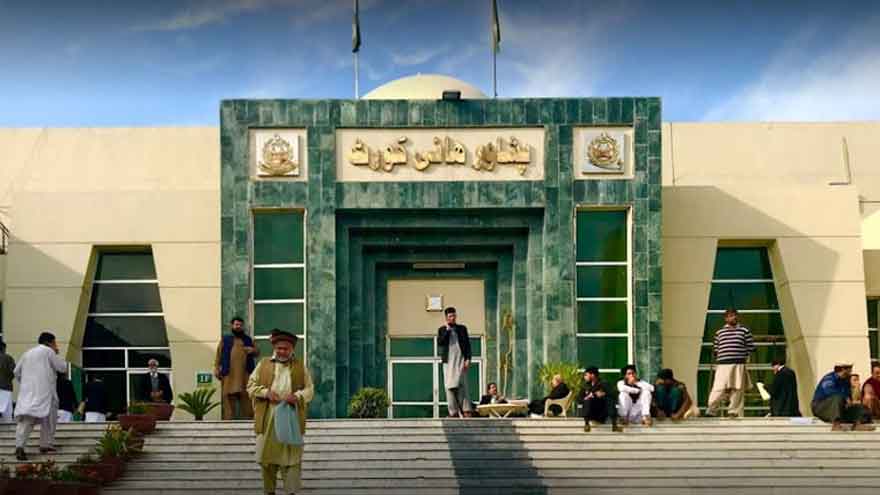
The Peshawar High Court (PHC) is reviewing a legal challenge from Pakistan Tehreek-e-Insaf (PTI) against the federal government's imposition of governor's rule and an emergency in Khyber Pakhtunkhwa (KP). The PTI, led by Barrister Gohar Khan, argues that these measures, enacted on October 11, are unconstitutional and were implemented without a valid breakdown of constitutional order, as required by Article 234. The federal government, predominantly the PML-N, justified its actions by citing increased terrorist attacks and a perceived lack of cooperation from the provincial administration. The PTI also alleges discriminatory treatment, including abductions of party members and demolition of offices, coinciding with the federal intervention. The PHC has sought a response from the attorney general to address these significant constitutional questions, highlighting a critical standoff between the federal and provincial governments and its implications for governance in KP.
The Khyber Pakhtunkhwa (KP) Elementary and Secondary Education Department has issued directives for the immediate closure of unsafe and dilapidated school buildings after a recent private school collapse in Peshawar's Dir Colony resulted in over 30 student fatalities. District education officers and school heads are now mandated to identify such structures, suspend classes, and arrange alternative teaching facilities. Engineers from the Communication and Works Department will conduct structural surveys of all identified dangerous schools. This move comes as provincial education department sources reveal nearly 37,000 classrooms in KP's government schools are in dilapidated condition, with 19,224 needing reconstruction and 17,743 requiring repairs. While 11,542 private schools are registered, the Private Schools Regulatory Authority reportedly lacks data on unregistered ones, highlighting a broader safety concern across the educational infrastructure in the province.
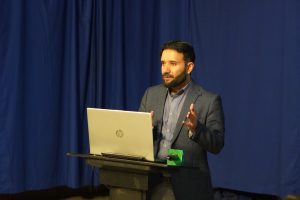
A delegation from Khyber Network, led by CEO Kaiwan Hamid Raja, visited Fatima Jinnah Women University (FJWU) to introduce KAMTECH (Khyber Academy for Media Technologies), a national initiative aimed at modernizing media education and professional training in Pakistan. The initiative seeks to bridge the media skills gap by transforming cultural and media infrastructure experience into a national training authority, including the formation of the ATOM Council for strategic oversight and industry-relevant curriculum. The discussion with FJWU's Media and Communication Department faculty focused on collaboration in media training, internships, digital content development, and applied research, highlighting the importance of linking academia with the media industry to equip students with practical skills.
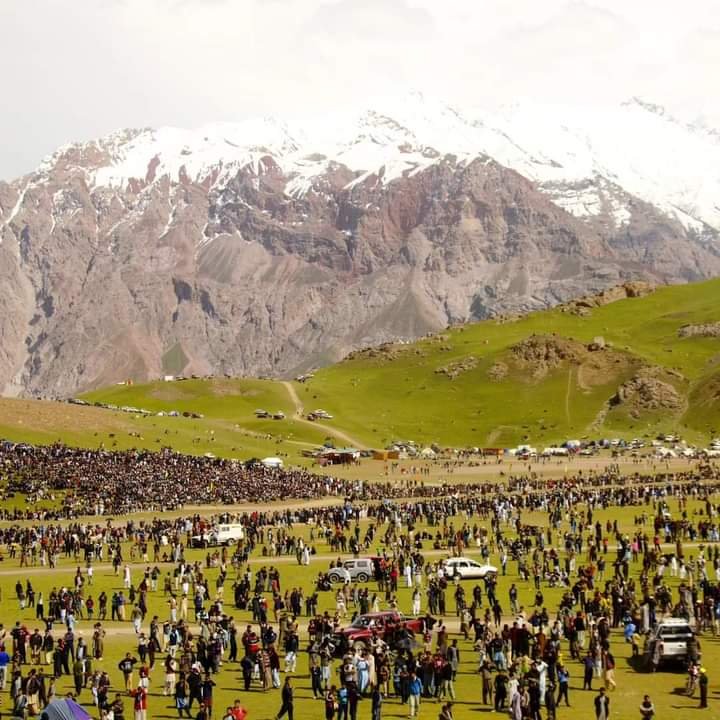
The Khyber Pakhtunkhwa government has decided to shift the organization of the annual Qaqlasht Festival to the Sports Department starting from next year, aiming for its proper organization and long-term sustainability. This decision was announced by Adviser to the Chief Minister on Sports, Taj Muhammad Khan Tarand, during a meeting chaired by Deputy Speaker Suriya Bibi, which also reviewed sports infrastructure development in Upper Chitral. The Qaqlasht Festival has been included in the PC-1 planning framework, though this year the Broghil Festival and polo matches will be held at the Qaqlasht ground instead. Additionally, plans include a new sports complex for Upper Chitral, upgrading an existing ground into a modern stadium, and addressing the shortage of sports staff. These initiatives underscore the government's commitment to promoting sports and providing enhanced facilities for local youth in the region.
The Khyber Pakhtunkhwa (KP) government has mandated the replacement of all existing vehicle number plates with new Radio Frequency Identification (RFID)-enabled plates. This initiative, announced by the Excise Department, applies to both government and privately owned vehicles and aims to enhance vehicle identification and tracking capabilities. The new RFID plates, which will cost Rs4,000, are a significant price increase from the current Rs1,200 plates. This move is part of a broader effort to modernize infrastructure and improve oversight in the province. Separately, Upper Swat's district administration is conducting a safety survey of tourist boats after recent accidents.
Heavy rains and flash floods have claimed 32 lives and injured 35 others across Khyber Pakhtunkhwa (KP) between July 19 and July 26, 2026. The Provincial Disaster Management Authority (PDMA) released a damage assessment report indicating that 72 houses were impacted, with 17 completely destroyed and 55 partially damaged, primarily due to collapsing roofs and walls. Authorities are ongoingly monitoring the situation and conducting further loss assessments as relief and recovery operations continue in the affected regions. This highlights the severe human and structural toll of recent weather events in the province.

South Air, a new private airline, is preparing to launch flight operations to Chitral and Dera Ismail Khan (DI Khan) in Pakistan, aiming to connect remote and underserved regions. This initiative was announced following a meeting between airline officials and Khyber Pakhtunkhwa Governor Kundi, who pledged support and highlighted the importance of DI Khan. South Air plans to begin nationwide flights this month, including routes from Peshawar to Karachi, Quetta, and Lahore, after completing all preparations. The move is expected to boost tourism, business, and employment in Khyber Pakhtunkhwa, a province the Governor described as a "tourism hub." Additionally, rehabilitation work is underway at DI Khan airport, with plans for a future Green Field International Airport, and South Air recently conducted a trial flight from Karachi to Gwadar.
