News in seconds. In your language.

Gold prices in Pakistan experienced a significant drop today, with the price per tola decreasing by 3,000 Pakistani Rupees. Following this reduction, the new price for one tola of gold in the country is 431,536 Pakistani Rupees. This information was released by the All Pakistan Sarafa Gems and Jewelers Association. The association further stated that the decline in local gold prices is attributed to a global market trend, where the international price of gold fell by 30 dollars, reaching 4,090 dollars.

Meta has reached an agreement with its Chief Executive Officer, Mark Zuckerberg, to assist him in paying a potential new California wealth tax that would specifically target billionaires. This arrangement, disclosed by the social media giant on Wednesday night, stipulates that Zuckerberg will continue to reside in California for a period of eight years, even if the state implements a one-off 5% wealth tax. The deal ensures that the head of Facebook, Instagram, and WhatsApp remains in the state where Meta's headquarters are situated. This move is significant as it addresses potential financial implications for high-net-worth individuals from new tax legislation and secures Zuckerberg's presence in California, which is crucial for Meta given its corporate base there. The agreement highlights the proactive steps companies and executives are taking to manage the financial landscape of high-tax states.
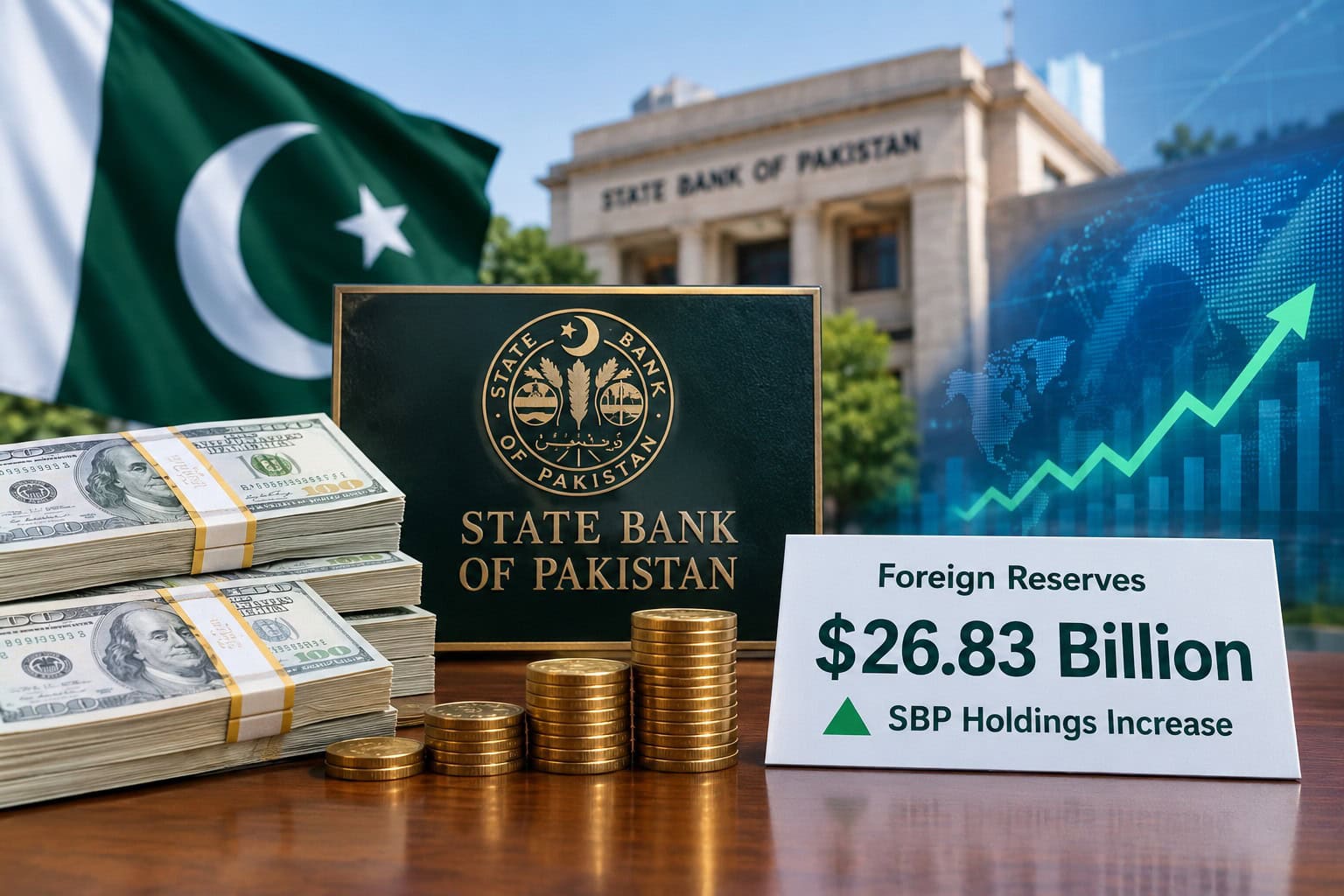
Pakistan's total liquid foreign exchange reserves have risen to $26.833 billion as of October 16, 2026, according to the State Bank of Pakistan (SBP). The central bank's holdings specifically increased by $19 million to $21.489 billion during the week, while commercial banks held $5.344 billion in net foreign exchange reserves. This increase reflects recent fluctuations influenced by external financing inflows and debt repayments. The SBP's reserves have previously been boosted by commercial loans, multilateral financial institutions, international bond issuances like Pakistan’s Eurobond, and inflows from the IMF’s Extended Fund Facility (EFF), Resilience and Sustainability Facility (RSF), and a Panda bond. However, external debt repayments have also periodically drawn down these holdings, highlighting the continuous impact of financing obligations on Pakistan's foreign exchange position.
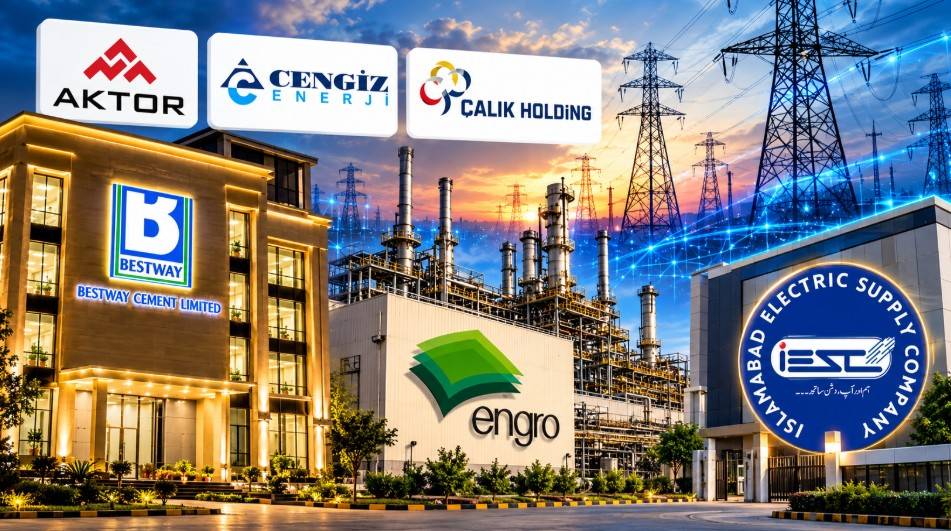
The race to privatize Islamabad Electric Supply Company (IESCO) is intensifying as 10 major investors, including prominent Pakistani business groups and three Turkish energy firms, have been shortlisted to acquire the electricity distribution company. This move signals a significant advancement in Pakistan's privatization drive, aiming to sell a controlling stake ranging from 51% to 100% with management control. The shortlisted entities, which include Bestway Cement, Engro Energy, HUBCO, Aktor Elektrik, Genvera Enerji, and Cengiz Enerji, will now gain access to IESCO's Virtual Data Room to evaluate its financials and operations. This development is crucial for Pakistan's power sector reforms, attracting both foreign and domestic interest in a key state-owned entity, with further approvals also reportedly made for FESCO, ZTBL, and State Life Insurance Corporation.

Barclays, a major banking institution, is implementing significant workforce reductions, planning to cut approximately 5,000 jobs, which represents a 5% decrease in its overall staff. This strategic decision is directly attributed to the bank's increasing adoption and integration of artificial intelligence (AI) into its operations. The move signifies a growing trend within the financial sector where technological advancements, particularly in AI, are leading to automation of tasks previously performed by human employees. This shift aims to enhance efficiency and reduce operational costs, but it also raises questions about the future of employment in industries undergoing rapid technological transformation. For Barclays, this re-structuring underscores a commitment to leveraging AI for competitive advantage while streamlining its human capital, reflecting a broader industry push towards AI-driven operational models.

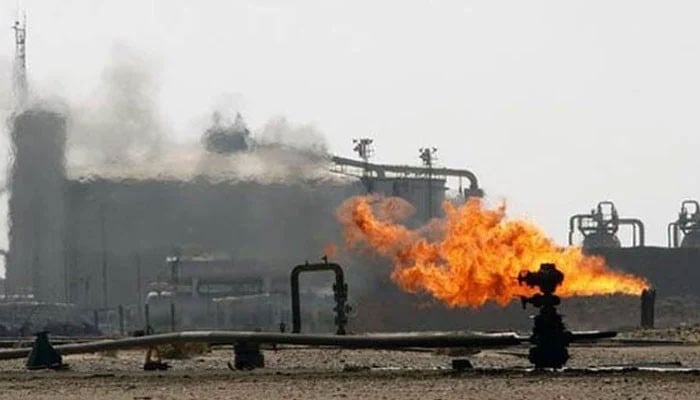
An attack on a Saudi oil refinery resulted in the deaths of a Filipino and a Nepali citizen, with one Pakistani and one Indian national sustaining injuries. Saudi air defense forces successfully intercepted and shot down a drone that was targeting the oil refinery. The incident occurred when the air defense system thwarted an attempt to target an Aramco oil field installation. While details about the perpetrators are not provided in this excerpt, such attacks on critical infrastructure like oil fields in Saudi Arabia are often attributed to regional actors, particularly Houthi rebels from Yemen, highlighting ongoing geopolitical tensions and their impact on civilian workers from various countries.

Gold and silver prices in Pakistan experienced a downward trend on Thursday, October 22, 2026, influenced by declining international bullion rates. The price of gold per tola in Pakistan fell to Rs434,536, a decrease of Rs900, while 10 grams of gold settled at Rs372,544. Silver prices also saw a decline, dropping by Rs27 per tola to Rs6,207. This local market movement mirrored a $9 drop in international gold prices, which reached $4,120 per ounce. Various rates were reported across different cities and categories, with Lahore showing gold piece prices between Rs432,500 and Rs433,000, and Karachi reporting a gold selling rate of Rs432,500. The consistent downward trend highlights the significant impact of global bullion movements, currency fluctuations, and domestic trading conditions on Pakistan's precious metals market, prompting close observation from buyers and traders.
The International Monetary Fund (IMF) has predicted a significant economic contraction of 1.3% for the Middle East, North Africa, and Pakistan this year, primarily due to the ongoing US-Israeli-led war against Iran. This conflict has severely impacted energy production, shipping, tourism, trade, and overall confidence in the region. While the IMF forecasts a rebound to 6.6% growth by 2027, economic output is expected to remain below pre-war projections. The war's effects have been uneven, with oil-exporting economies suffering more from disruptions, while oil importers have shown greater resilience, supported by remittances and tourism. The IMF's baseline assumes the conflict will abate in early 2027, but warns of 'exceptionally high uncertainty' and risks from further energy production disruptions and tightening external financial conditions. Policymakers are urged to focus on price stability, fiscal sustainability, central bank independence, and structural reforms.

The Pakistan Stock Exchange (PSX) experienced a significant downturn on Thursday, with the benchmark KSE-100 Index plunging over 2,000 points (1.21%) to close at 163,924.32. This sharp decline was primarily triggered by escalating geopolitical tensions in the Middle East, specifically fresh Houthi attacks in Saudi Arabia, which led to a surge in international oil prices. Investors are concerned about the potential negative impact on Pakistan's energy import bill and external account due to higher oil costs. Despite the market's overall negative performance, some corporate results were resilient, with major banks like HBL, MEBL, and MCB reporting their 9MCY26 earnings, mostly in line with expectations. Market volatility is expected to continue amid geopolitical developments and oil price fluctuations, though strong corporate earnings and dividend payouts may offer selective support to the market.
Pakistan's government has announced new petroleum product prices for the upcoming day, effective October 22nd, as per a recently issued notification. This adjustment sees a notable reduction in petrol prices, which have decreased by 2 rupees and 71 paisa per liter, setting the new price at 379 rupees and 31 paisa per liter. Conversely, the price of diesel has experienced a slight increase of 31 paisa per liter, bringing its new rate to 390 rupees and 11 paisa per liter. This daily fluctuation in fuel prices directly impacts consumers and the transportation sector across Pakistan, reflecting the government's response to global oil markets or domestic economic considerations. The announcement is crucial for daily planning and budgeting for individuals and businesses reliant on fuel.
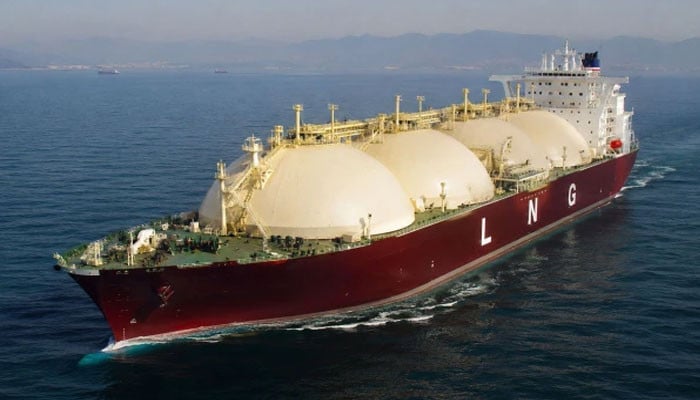
Pakistan has successfully received an LNG cargo from Qatar, marking the second such delivery from Qatar for the month of October. According to sources within the Ministry of Energy, this shipment is part of an ongoing agreement between the two countries. A significant aspect of this deal is the pricing: the LNG cargos arriving under this agreement are reportedly half the price of those secured from the spot market. Specifically, the gas from the Qatari cargos is priced between $14 to $15 per MMBTU, while gas from the spot market is currently costing up to $30 per MMBTU. This considerable price difference highlights the economic benefit Pakistan is gaining through its long-term agreement with Qatar, helping to stabilize energy costs amidst volatile global spot market prices.

The UK Treasury has conducted a first-ever calculation estimating the potential value of a sovereign wealth fund, akin to Norway's, that Britain could have established by investing proceeds from North Sea oil and gas. This landmark analysis reveals that such a fund could have grown to a staggering 'trillion pounds,' highlighting a significant missed economic opportunity for the nation. The context for this calculation is a renewed debate about how natural resource wealth could have been better managed for long-term national benefit, particularly given the UK's ongoing economic challenges. The report implicitly involves past governments that oversaw North Sea oil exploitation without creating such a fund, and current policymakers who are now assessing the historical economic choices. This study matters because it provides a concrete figure for a hypothetical, yet achievable, alternative economic trajectory for the UK, prompting questions about national resource management and long-term fiscal planning.

Jas Khaira, the head of AI at Blackstone, has publicly stated that concerns regarding the debt accumulation for artificial intelligence infrastructure are exaggerated. This announcement comes amidst market jitters and growing anxieties within the industry about the financial implications and potential risks associated with the rapid expansion and significant investment in AI technologies. Khaira's perspective suggests that the private equity giant, Blackstone, does not share the widespread panic concerning these financial pressures. His comments are significant because they offer a counter-narrative from a major player in the financial sector, potentially influencing investor sentiment and strategic decisions across the technology and finance landscapes. The context indicates a reassurance from a prominent institution during a period of uncertainty about the sustainability of current AI investment trends, highlighting Blackstone's confidence in the long-term viability and financial health of the AI buildout.

Meta, the social media giant, is reportedly planning a new financial strategy involving a newly created class of stock. This move is designed to fund its extensive and ongoing investments in artificial intelligence, encompassing the development of new AI models and services. The company's significant push into AI represents a strategic pivot aimed at maintaining its competitive edge and exploring new revenue streams in the evolving tech landscape. This financial maneuver highlights the substantial capital requirements associated with cutting-edge AI research and development. By creating a new stock class, Meta intends to generate the necessary funds without significantly impacting its existing stock structure or diluting shareholder value in a conventional manner, thereby enabling its ambitious AI buildout.
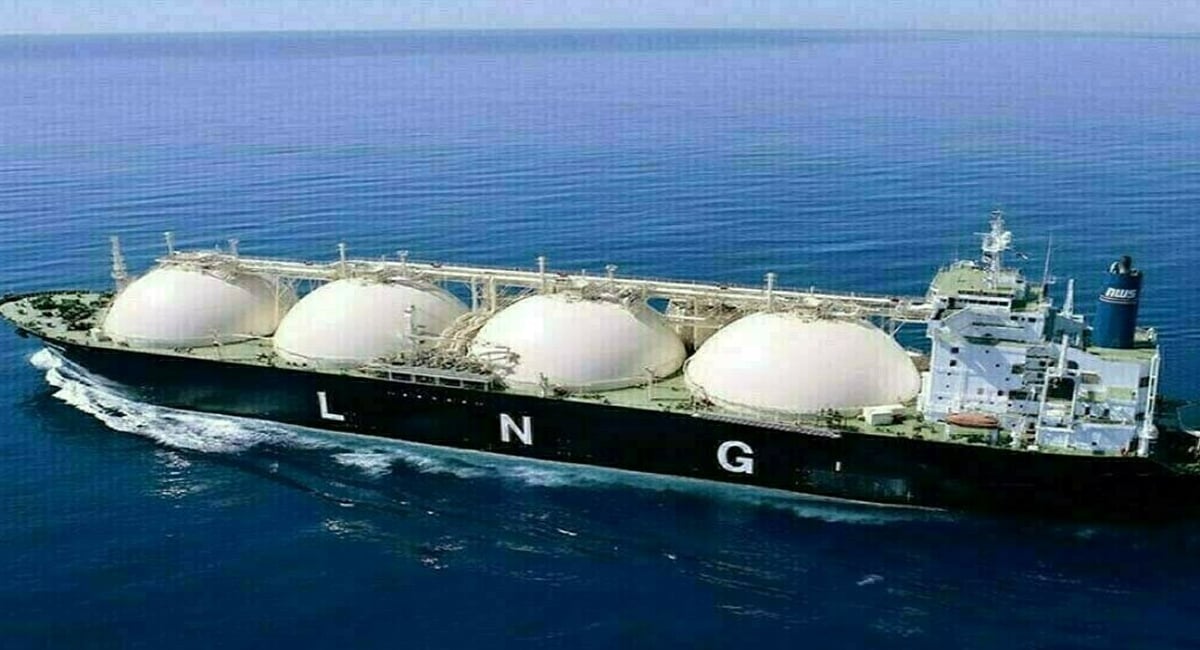
Pakistan experienced a significant reduction in its liquefied natural gas (LNG) imports during October, receiving only two cargoes from Qatar, a drastic decrease compared to previous months. This sharp drop highlights ongoing challenges in Pakistan's energy supply chain and its ability to secure sufficient fuel for its power generation and industrial needs. The country's reliance on imported LNG, particularly from Qatar under long-term agreements, makes these reduced deliveries a critical concern for its economic stability and energy security. This situation could lead to potential power shortages and increased operational costs for industries, further exacerbating the nation's financial strains. The reduced imports underscore broader issues within Pakistan's energy sector, including financing challenges and the volatility of global LNG markets, impacting its ability to meet domestic demand effectively.

The federal government, through the Oil and Gas Regulatory Authority (OGRA), has announced a decrease in petrol prices for the next 24 hours, bringing the price of motor spirit (MS) petrol down by Rs. 2.71 to Rs. 379.31 per litre. Conversely, diesel prices have seen a slight increase of Rs. 0.31, now standing at Rs. 390.11 per litre. This adjustment follows a recent increase on Tuesday, where petrol went up by Rs. 0.88 and diesel by Rs. 0.53. Since the inception of daily fuel rate updates, petrol prices have cumulatively risen by Rs. 68.6/litre and diesel by Rs. 66.81/litre, indicating a volatile trend in fuel costs over time.
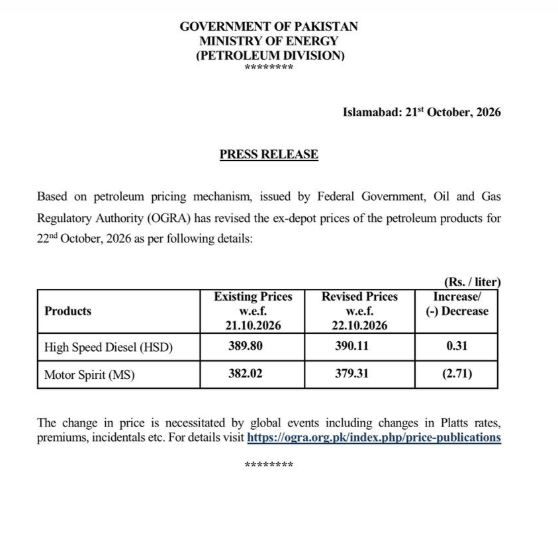
Pakistan announced revised petrol and diesel prices effective October 22, 2026, with petrol experiencing a Rs2.71 per litre reduction, bringing the new price to Rs379.31. Conversely, high-speed diesel (HSD) saw a slight increase of Rs0.31 per litre, reaching Rs390.11. These adjustments, overseen by the Oil and Gas Regulatory Authority (OGRA), reflect international oil market dynamics, including changes in Platts quotations, premiums, and incidental costs. The petrol price cut is attributed to improved crude availability in the Middle East, despite ongoing high shipping costs. Specifically, the premium of Oman crude over Dubai dropped significantly to its lowest since late July, following accelerated shipments and increased spot cargo availability from regional producers, with crude flows recovering and exceeding pre-war levels.

This article explores the evolving landscape of brand narrative, using the seemingly disparate figures of basketball star Caitlin Clark and the beloved Sesame Street character Cookie Monster as central examples. It delves into how both individuals, through their unique public personas and cultural impact, exemplify modern strategies in brand building and communication. The piece likely analyzes how authenticity, relatability, and audience engagement contribute to successful brand storytelling in contemporary media. By examining Clark's meteoric rise in sports and Cookie Monster's enduring appeal, the article aims to deconstruct the elements that make brands resonate with diverse audiences today. This analysis is crucial for understanding current marketing trends and the future direction of brand development, offering insights into effective public relations and consumer connection strategies.

Pakistan is facing a severe Liquefied Petroleum Gas (LPG) crisis, primarily triggered by the closure of the Iranian border, which has disrupted supply and led to significant price hikes. According to OGRA (Oil and Gas Regulatory Authority) sources, Pakistan imports 70% of its total LPG, with Iran accounting for a substantial 50% of these imports. The country also imports LPG from Iraq and Oman, but supplies from these nations have been halted due to the closure of the Strait of Hormuz. OGRA sources warn that if the Iranian border remains closed, the crisis is expected to intensify further. While enforcement teams are taking action against those charging exorbitant prices for available LPG, the average annual consumption in Pakistan is between 2.4 to 2.5 million tons. The regulated price for an 11.8 kg domestic LPG cylinder is 3296 Pakistani Rupees, but it is currently being sold at more than double that price across the country.
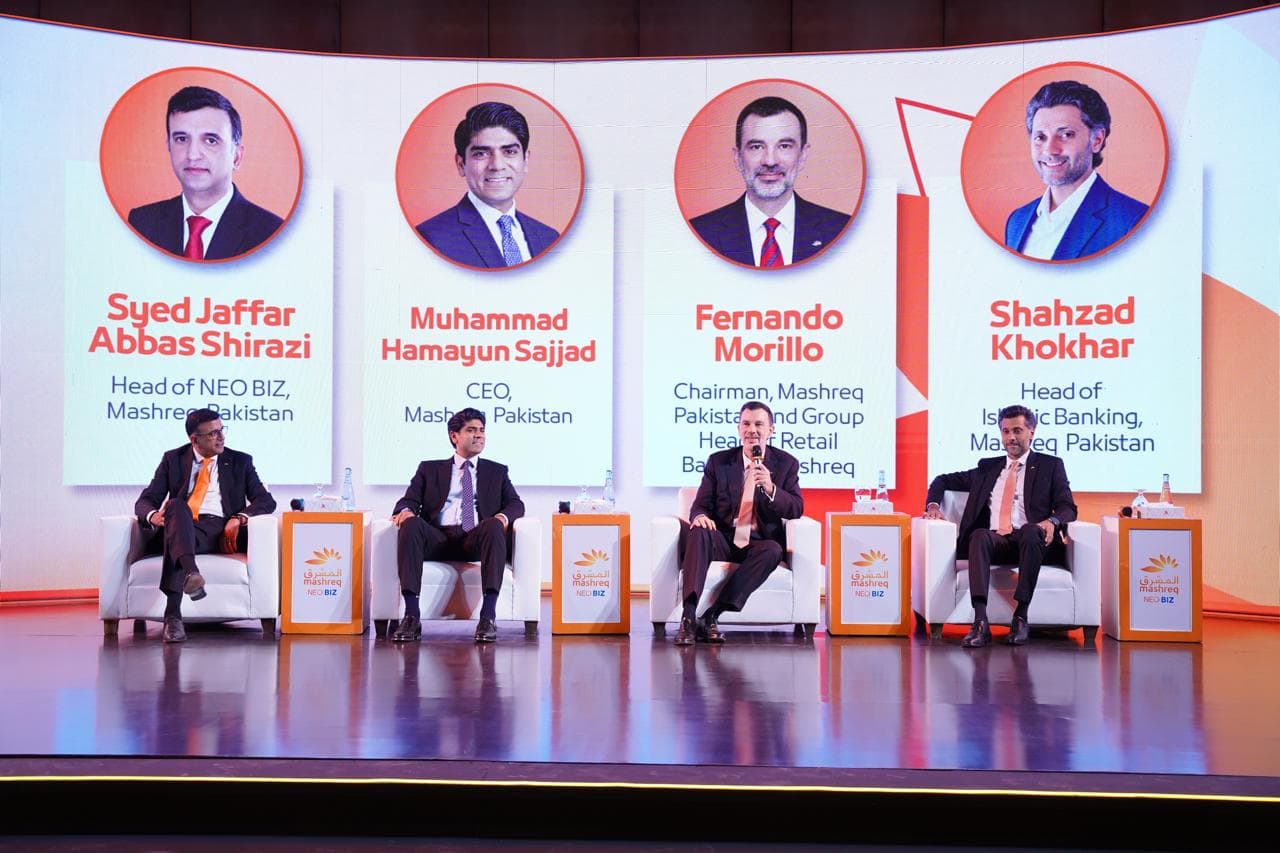
Mashreq, a prominent financial institution from the MENA region, has officially launched NEO BIZ in Pakistan, a new digital banking platform aimed at empowering small and medium-sized enterprises (SMEs), sole proprietors, and self-employed professionals. This initiative seeks to unlock Pakistan's business potential, recognizing that the country's 7.14 million MSMEs contribute significantly to the GDP and employment but face limited access to formal financing. NEO BIZ is designed to simplify financial management and foster greater participation in the formal digital economy, drawing on Mashreq's international banking expertise. The platform integrates digital business banking, payments, collections, and various value-added services, enabling businesses to manage accounts digitally and reduce reliance on physical branches. This launch is a strategic move to extend Mashreq's global business banking proposition into Pakistan's rapidly evolving digital economy, addressing the underserved SME sector with accessible, digitally-enabled financial services.
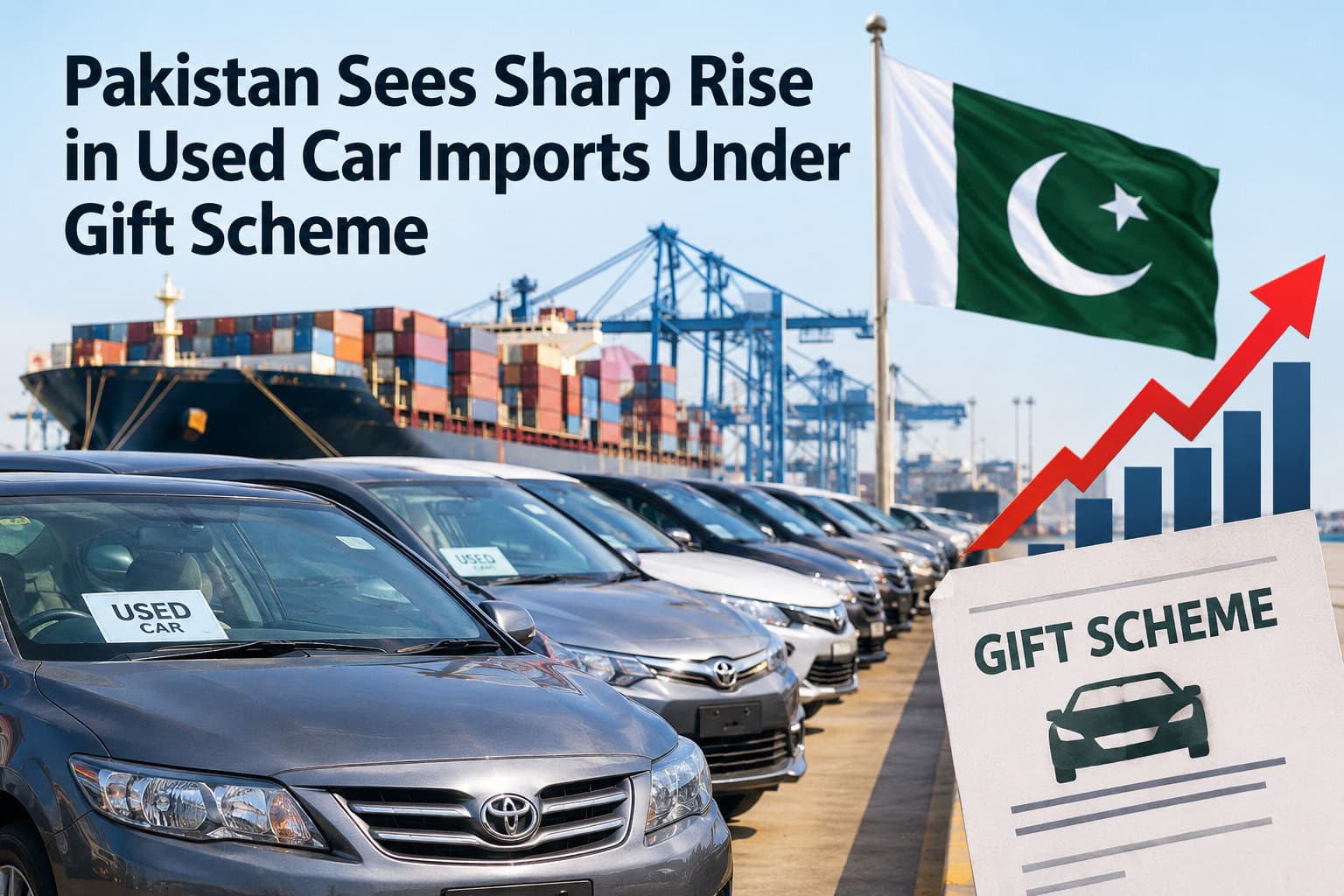
Used car imports into Pakistan under the 'Gift Scheme' have seen an alarming surge, jumping from just seven units in May to 2,238 in September. This dramatic increase has raised significant concerns within the domestic automobile industry, with the Pakistan Association of Automotive Parts and Accessories Manufacturers (PAPAAM) chairman, Abdul Rehman, alleging widespread misuse of the scheme. Data from the Federal Board of Revenue (FBR) shows a fluctuating but overall upward trend, reaching 1,876 units in July before its September peak. This shift towards the Gift Scheme, especially after the abolition of the personal baggage scheme, is seen as undermining efforts to protect local manufacturers, who reported a year-on-year sales decline of over 20 percent in September, further impacting parts suppliers and the economy.

Foursquare, a once-prominent location intelligence company, reportedly failed to provide any returns to its equity holders following its acquisition. This revelation comes from a co-founder of the company, highlighting a significant financial outcome despite the considerable capital raised. According to PitchBook data, Foursquare secured an impressive $411 million in funding throughout its operational history, attracting a substantial amount of investment from various equity holders. The lack of returns for these investors suggests that the acquisition price was likely insufficient to cover the capital invested, or that a complex cap table structure prioritized other stakeholders, such as debt holders. This scenario underscores the inherent risks in venture capital investments and the potential for even well-funded startups to result in zero returns for equity participants during an exit event, raising questions about valuation and investor expectations in the tech industry.

France's borrowing costs have surged to over 5% on 10-year government bonds, marking a 24-year high, as political instability and ongoing budget disagreements unnerve financial markets. The inability to pass a much-delayed budget, coupled with the lingering impact of recent violent street protests and smoldering civic buildings, has led to a fresh wave of selling, thereby increasing the interest rate on bonds issued by the eurozone's second-largest economy. This development reflects growing investor concern over France's financial health and political climate, making it more expensive for the French government to borrow money. The situation highlights the economic fallout from both internal civil unrest and legislative gridlock, impacting France's fiscal stability and market confidence.

Elon Musk is exploring the potential merger of Tesla and SpaceX, a deal many analysts deem inevitable due to strategic alignment in AI, autonomous systems, and large infrastructure projects. Despite Musk seeing merit in the combination, he acknowledges significant hurdles, including the need for agreement from two special committees he cannot join, and a high-bar shareholder vote from Tesla. The merger is anticipated by Wall Street by the end of next year, with the combined entity potentially easing SpaceX's capital spending strain on AI and space infrastructure, and avoiding redundancies. A key motivation for Musk could be to consolidate his control, as a merger is estimated to give him around 57-58% of voting rights, compared to his current 20% at Tesla. However, the Tesla shareholder vote, requiring a majority of all shares (including uncast ballots counting against the deal), presents a substantial challenge, compounded by potential governance and regulatory scrutiny reminiscent of Tesla's 2016 SolarCity acquisition.