News in seconds. In your language.

Spotify has addressed concerns regarding its new verification methods for Family Plan subscribers, with the company informing investors that the implementation of QR code verification is merely a 'routine improvement' rather than a 'crackdown.' This initiative aims to ensure that all members on a single Family Plan actually reside in the same household, a condition that has always been part of the service's terms but has not always been strictly enforced. The move is designed to prevent abuse of the discounted family subscription model, thereby protecting Spotify's revenue streams and ensuring fair usage. While some users might perceive this as an inconvenience or an intrusive measure, Spotify frames it as a standard operational adjustment to maintain the integrity of its subscription offerings. This development is significant as it highlights Spotify's efforts to optimize its business model and enforce its terms of service more rigorously, potentially impacting a large number of its Family Plan subscribers globally.

Pakistan has been identified as the second most targeted country in an Israeli spyware campaign, according to an October 15 report by Citizen Lab, a University of Toronto research group. The operation, termed "AdFection," involved an Israeli company, Discover-Tech, using online advertisements to deliver malicious code capable of infecting devices without user interaction, linked to spyware developed by another Israeli company, Candiru (now Integrity Labs). Pakistan recorded 139 million ad bids from Discover-Tech's system between March and June 2026, appearing on websites like WhatMobile.com.pk and even on government networks. While the report identified a user named "Pindi" accessing Discover-Tech's platform exclusively from Pakistan, it clarified that ad exposure does not confirm infection, urging further investigation into potential security risks. The campaign also targeted Al Jazeera devices in 2024 and 2025, highlighting a broader scope of the operation.
A critical vulnerability has been discovered in the PHP programming language, which is foundational to approximately 70% of the world's websites. This flaw, which emerged on Wednesday, has already led to millions of attempted exploits globally, according to cybersecurity firms. The US National Security Agency (NSA) has issued a warning, stating that attackers could leverage this vulnerability to gain full control over web servers, exfiltrate sensitive data, and disrupt essential services. In response to the severe threat, numerous governments and private companies have proactively taken their websites offline to apply necessary patches and prevent potential attacks, underscoring the widespread and significant impact of this cybersecurity incident.

A new documentary titled "You Can See Everything" about Elizabeth Holmes, the disgraced founder of biotech company Theranos, has achieved a record-breaking opening in the US, highlighting the public's continued fascination with the convicted fraudster. The article delves into the reasons behind this enduring appeal, with US technology editor Blake Montgomery discussing the phenomenon with Madeleine Finlay. They explore why Holmes remains such a captivating figure and consider the long-term implications of the Theranos scandal on the culture and practices within Silicon Valley. The piece suggests that despite her conviction, the story of Elizabeth Holmes continues to resonate, prompting reflection on corporate ethics and the tech industry's rapid growth.
The Khyber Pakhtunkhwa (KP) government has partnered with a Chinese company and a local organization to implement modern mining technology in the province. This agreement, signed in Peshawar, aims to reduce mining costs, enhance safety, and improve environmental standards within KP's mineral sector. Dr. Muhammad Irshad, a member of the Advisory Council on Industries and Commerce, highlighted that modernizing the sector and supporting investors are key government priorities. The initiative also includes considering a proposal to establish a local production unit for this technology, which is expected to create jobs, bolster local technical skills, and foster further cooperation in developing the province's mining resources. This move is part of a larger strategy to align KP's mineral sector with current industry requirements and promote advanced mining practices.

The article highlights the critical vulnerability of PHP, describing it as the 'cyber equivalent of an unexploded bomb' due to its widespread use across the internet and potential for a major cyber event. While a dramatic and global response has been observed in anticipation, the actual cyber incident has not yet occurred, emphasizing a period of heightened alert and preparation within the cybersecurity community. The piece by Zoe Kleinman draws attention to the inherent risks associated with such a fundamental and widely deployed technology if not properly secured or if a significant flaw is exploited. This situation underscores the constant vigilance required in cybersecurity and the potential for a single point of failure in foundational internet technologies to cause global disruption, making it a critical concern for web infrastructure and data security worldwide.

ZTE has quietly launched a second version of the nubia A76 4G smartphone, despite already selling a different device under the identical name. This new model features upgraded specifications compared to its namesake predecessor, including a larger 6.75-inch, 90Hz display and faster 22.5W wired charging for its 5,000mAh battery. The phone boasts a "flagship-inspired design" with a full-width camera module housing a 50MP triple-camera setup, though details on the other two sensors are undisclosed. Running on an unnamed octa-core chipset supporting 4.5G connectivity, its design and specs mirror the previously launched ZTE Blade A76 4G, which retails for approximately $169. ZTE has yet to announce official pricing or availability for this new nubia A76 4G model.

Meta, the parent company of popular social media platforms, is facing a class action lawsuit in Australia, which could set a significant legal precedent. This potential lawsuit is notable as it aims to hold social media directly responsible for alleged harm caused to its users, specifically children. If successful, it would mark the first instance in Australia where a social media company is legally blamed for detrimental effects on its users. The class action seeks to represent individuals who claim to have suffered harm due to their engagement with Meta's platforms, focusing on the vulnerability of child users. This legal challenge underscores growing concerns globally about the impact of social media on mental health and well-being, particularly among younger demographics, and could influence future regulatory and corporate accountability measures.

Apple will have a limited supply of its new folding iPhone Duo available for walk-in customers in stores on Friday, following strong online demand that quickly sold out initial orders and extended delivery times for some to January. The iPhone Duo, announced in September, marks Apple's entry into the folding phone market, a segment where competitors like Samsung and Huawei have been present for years. Analysts suggest that the device's complex hinge mechanism may pose manufacturing challenges for Apple in achieving high-volume production. While walk-in availability for the iPhone Duo will be limited in the United States, Australia, Canada, Mexico, and parts of the UK and Europe, other regions including mainland China, India, Japan, and South Korea will only offer units for online order pickups. Uniquely, Macau will have limited walk-in availability as the only purchasing option. This launch is significant as it introduces a new product category for Apple, potentially reshaping a niche premium smartphone market.

Governments and private companies globally are urgently working to secure their digital infrastructure following a widespread cyber-security alert. The warning has prompted a significant scramble to identify potential vulnerabilities and implement protective measures across various online platforms. Notably, e-commerce giant Amazon has disclosed that it had already experienced cyberattacks prior to the public dissemination of this global security warning, indicating a pre-existing threat landscape. This situation highlights the pervasive and evolving nature of cyber threats, affecting critical government services and large multinational corporations alike. The ongoing efforts are crucial to prevent data breaches, service disruptions, and other malicious activities that could have severe economic and operational consequences. The incident underscores the continuous challenge organizations face in safeguarding their online presence against sophisticated attackers and the importance of proactive security protocols.
Chinese AI startup DeepSeek is nearing the completion of a $14.98 billion (100 billion yuan) fundraising round, significantly exceeding its initial target of $7.49 billion (50 billion yuan), indicating strong investor confidence. Key investors in this round include major Chinese companies such as chipmaker GigaDevice, food delivery giant Meituan, automaker Geely, battery maker CATL, and WeChat operator Tencent Holdings, with Midea and NetEase also participating. This substantial investment, which values DeepSeek at $74.9 billion (500 billion yuan) pre-capital injection, underscores China's strategic efforts to remain competitive in the global AI race against the US. The successful fundraising positions DeepSeek closer to a potential public market debut, with the company having previously aimed for an IPO process this year on the STAR Market. The development also comes amid broader concerns in the market regarding high AI spending and its impact on global tech stocks, although analysts highlight DeepSeek's open-source strategy and its potential integration into domestic tech supply chains as key attractors for investors.

Recent advancements in artificial intelligence have led to the discovery of deep-seated and previously undetected programming flaws within PHP, a widely used scripting language. This significant revelation has not only highlighted the advanced capabilities of AI in code analysis but has also prompted an unprecedented global cyber-security alert and response. The discovered vulnerabilities, having remained hidden for an extended period, pose a substantial risk across countless web applications and systems that rely on PHP. Experts worldwide are now engaged in an urgent scramble to understand the full scope of these flaws and to develop and deploy necessary patches. This incident underscores the critical importance of continuous vulnerability assessment and the potential for AI to revolutionize cyber-security defenses, while simultaneously exposing long-standing risks in foundational internet technologies.

The article questions the fairness and impact of AI recruitment tools on the job search process, prompting a critical examination of how these automated systems influence our career paths. It delves into the underlying mechanisms that operate when a candidate clicks "apply," suggesting that these AI tools play a significant role in determining a candidate's future. The piece aims to provide readers with a better understanding of the biases, efficiencies, and ethical considerations surrounding the increasing integration of artificial intelligence into human resources and hiring practices. This topic is particularly relevant for job seekers and employers alike, as it touches upon issues of transparency, equal opportunity, and the potential for a new kind of 'AI war' in the competitive employment landscape, urging a deeper look into the algorithms that shape professional futures.

Elizabeth Holmes, the convicted founder of the disgraced biotech company Theranos, is again capturing public attention with the record-breaking opening of the documentary 'You Can See Everything' in the US. This new film highlights the sustained fascination with Holmes and the Theranos scandal, prompting questions about the reasons behind her enduring appeal. US technology editor Blake Montgomery discusses with Madeleine Finlay the continued public interest in Holmes and delves into whether the Silicon Valley landscape has been permanently altered by the events surrounding Theranos. The scandal's ongoing relevance underscores the significant impact it had on the technology and business sectors, as well as public perception of startup culture.

Tesla announced on Wednesday that it plans to begin selling its new autonomous two-seater vehicle, the Cybercab, to consumers before the end of the current year. This initiative comes amidst ongoing scrutiny from federal regulators who are investigating whether the vehicle adheres to established safety standards, raising questions about its market readiness. The Cybercab is distinguished by its unique gold hue and the absence of traditional controls such as a steering wheel, indicating a significant departure from conventional vehicle design. This announcement was made during the company’s third-quarter earnings call by Lars Moravy, Tesla's vice president of engineering, highlighting the company's commitment to advancing its autonomous vehicle technology despite regulatory hurdles. The introduction of the Cybercab represents Tesla's push into a new segment of personal transportation, potentially disrupting urban mobility. Its autonomous nature and lack of manual controls are central to the regulatory safety concerns, making its upcoming release a pivotal moment for both Tesla and the autonomous vehicle industry.

Anthropic, a leading AI company, recorded a net loss of $80.7 billion in the first half of 2026, significantly wider than its $13 billion loss in the same period last year. This substantial loss primarily stemmed from a $72 billion accounting charge related to an increase in the estimated value of convertible bonds, rather than day-to-day operations. The company's infrastructure costs nearly quadrupled to $9 billion as it heavily invested in AI development, committing to spending at least $518 billion over 10 years on cloud services and infrastructure. Despite these rising expenses, Anthropic's revenue reached $16.8 billion in the third quarter, a 45% increase from the previous quarter, though some investors were concerned by slower sequential growth compared to earlier periods. With an IPO expected in November, some investors are now considering a lower valuation of around $1.5 trillion, and the reception to Anthropic's listing is crucial for the broader AI market, especially with rival OpenAI's potential IPO next year.

Amazon and Blue Origin founder Jeff Bezos predicts that within the next two decades, by 2045, space technology will advance to the point where millions of people will reside in space. He believes that robotic labor will be more efficient and cost-effective for difficult tasks on the Moon or other planets compared to human involvement. Bezos shared these optimistic views on the future of technology and space colonization during a discussion at Tech Week 2025 in Italy, emphasizing new possibilities arising from continuous technological advancements. He also addressed concerns about job displacement due to AI, stating that innovations collectively enhance societal prosperity. Other prominent figures like OpenAI's Sam Altman and Tesla/SpaceX's Elon Musk also share similar optimistic outlooks on space colonization, with Musk aiming for human presence on Mars by 2028. While there is considerable optimism among business leaders, significant challenges remain regarding the technology, cost, and practical arrangements for large-scale, permanent human habitation in space.

Websites globally have been taken offline following the discovery of critical cyber-security vulnerabilities within PHP, a programming language fundamental to a vast number of internet sites. These flaws have been identified by artificial intelligence as the most significant ever found within PHP, indicating an unprecedented level of risk. The widespread use of PHP means that the vulnerabilities pose a substantial threat to internet security and the operation of numerous online services. In response, a crucial cyber-security update has been issued, necessitating that website administrators and developers implement the fix to protect their sites and user data. The immediate takedown of websites is a preventative measure to mitigate potential exploitation of these severe vulnerabilities until the updates are applied, highlighting the urgency and gravity of the situation for global internet infrastructure.

The University of British Columbia (UBC) in Canada has opened applications for its Doctor of Philosophy (PhD) in Art History program, with an intake scheduled for September 2027. This program offers a minimum funding package of CAD 40,000 per year for the first four years to eligible full-time students, totaling CAD 160,000 over that period. The financial support can come from various sources including scholarships, research assistantships, and teaching assistantships, and is available to qualified international applicants. The program, which focuses on art history, visual culture, and their societal connections, is research-based and will be pursued at UBC's Vancouver campus. The application deadline is January 8, 2027, and while the funding is substantial, students are expected to cover tuition and other fees from this package, although an International Tuition Award of up to CAD 3,200 annually is available to reduce costs for international students.

A new literary award, the Prix Pascal de Littérature IA, has been established specifically to recognize and reward fiction co-written with the assistance of Artificial Intelligence tools. This development comes amidst ongoing controversy and debate within the literary world regarding the ethical implications and potential misuse of AI by authors, especially concerning established, prestigious awards. The launch of this prize aims to create a dedicated platform for AI-assisted literature, offering a unique opportunity for authors exploring this new frontier in creative writing. The ultimate incentive for the winner of the Prix Pascal de Littérature IA is the promise of publication, providing significant exposure for works at the intersection of human creativity and artificial intelligence. This initiative signals a growing acknowledgment and integration of AI within the arts, addressing the need for specific recognition rather than attempting to fit AI-assisted works into traditional award structures.

A new survey reveals that the integration of artificial intelligence into the workplace is creating significant challenges for managers, with over 50% reporting increased difficulty in evaluating employee performance. While AI is often touted for its potential to boost productivity, its immediate impact on managerial oversight appears to be largely negative. This issue highlights a growing pains period as companies grapple with the practical implications of AI adoption, specifically concerning accountability and assessment in a new work paradigm. The difficulty in evaluation could stem from various factors, including AI's role in automating tasks, altering workflow processes, or obscuring individual contributions. This situation is critical because effective performance evaluation is fundamental to employee development, fair compensation, and overall organizational success, indicating that current AI implementation strategies may not adequately address human resources challenges.
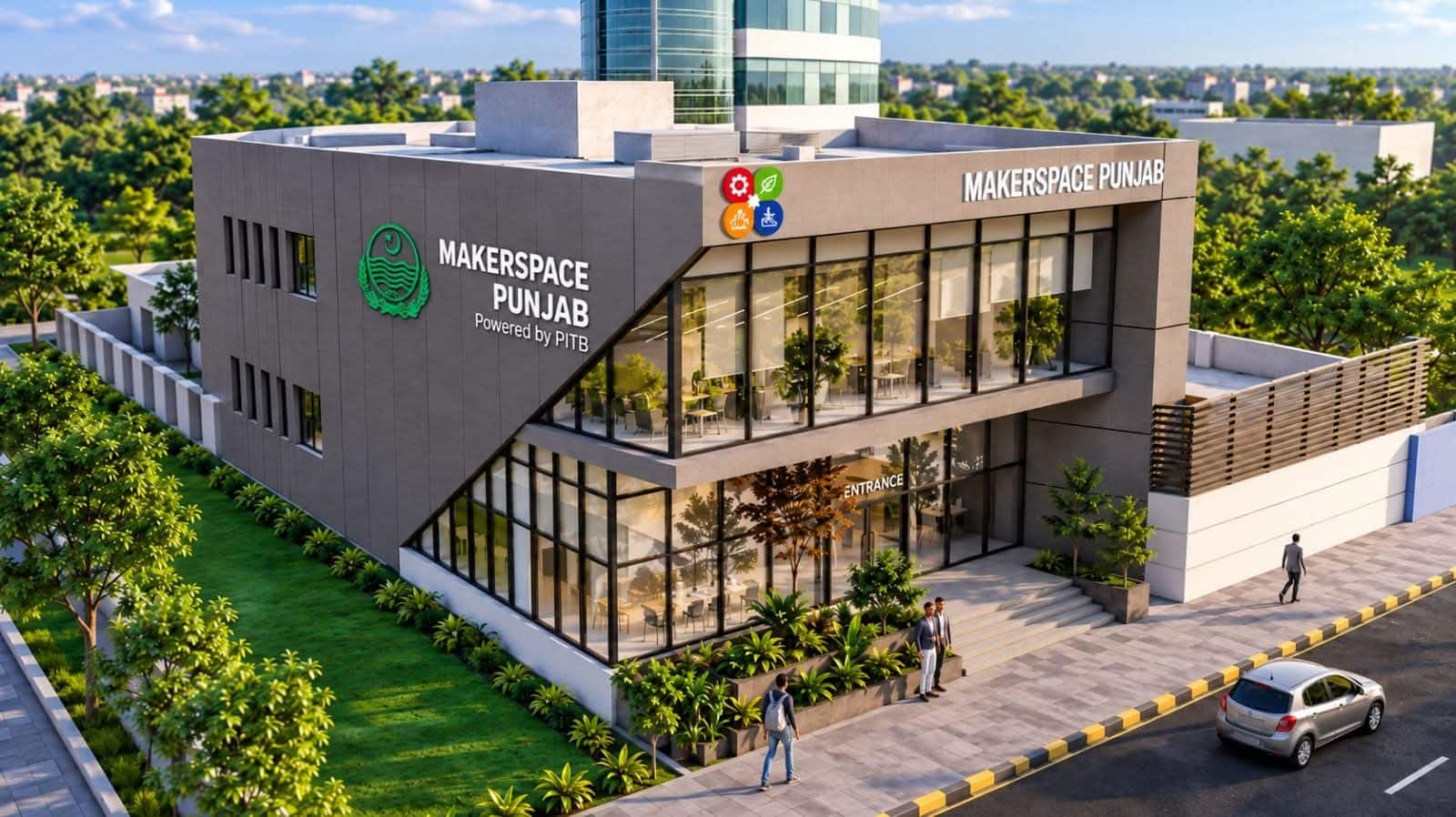
The Punjab Information Technology Board (PITB), under the Punjab Chief Minister’s Initiative Makerspace Punjab, has forged partnerships with three universities: COMSATS University Islamabad, Lahore Campus, the University of Education, Lahore, and the University of the Punjab, Lahore. These Memoranda of Understanding (MoUs) aim to foster research, IT hardware innovation, and collaboration between academia and industry. The agreements will grant students, researchers, and faculty access to specialized labs, technical guidance, training, and prototyping facilities, supporting collaborative research, entrepreneurship, and the development of industry-aligned technology solutions. PITB Chairman Faisal Yousaf emphasized that Makerspace Punjab seeks to bolster Punjab's IT hardware innovation ecosystem through product design, rapid prototyping, and local technology development, ultimately cultivating an innovation-driven culture and accelerating indigenous technology. The initiative signifies a strategic move to nurture young talent and strengthen the province's technological self-reliance.
Government websites across Europe and other regions went offline due to critical vulnerabilities discovered in the widely used PHP programming language. Developers of PHP identified two critical flaws and urged users to update immediately, with a fix released by Wednesday afternoon. However, reports of hackers already exploiting these vulnerabilities prompted government agencies, including those in the Netherlands and Finland, to take their sites offline as a precautionary measure. PHP underpins a significant portion of the internet, including major platforms like WordPress, Drupal, and Joomla, raising concerns about widespread vulnerability. Cybersecurity firms like Cloudflare reported emerging attacks, while agencies worldwide advised immediate updates or temporary site closures to mitigate risks. The situation highlights the critical dependency on foundational internet software and the rapid response required to maintain online security.

OpenAI is significantly expanding its advertising on ChatGPT to 26 new countries, including Pakistan, Argentina, Chile, Colombia, Peru, Nigeria, South Africa, Serbia, Ukraine, Cambodia, and Bangladesh, bringing the total number of markets with ads to 89. This strategic move is aimed at boosting the company's revenue in anticipation of a potential initial public offering, building on its already substantial advertising business which reached an annualized revenue run rate of $1 billion in August. The expansion follows successful testing in the United States earlier this year, where over 100,000 advertisers have utilized the platform. Advertisements will exclusively appear on ChatGPT's Free and Go subscription plans, with Plus, Pro, and Enterprise subscriptions remaining ad-free, and advertisers can manage campaigns via technology partners or a self-service option. This initiative further extends OpenAI's advertising capabilities, which also include AI-powered tools and business-sponsored agents introduced in September.

