News in seconds. In your language.

Kashim Chowdhury, a civil servant, is facing accusations of fraud for allegedly holding and juggling multiple public sector jobs simultaneously. He reportedly stated, 'I wasn't thinking straight,' in response to the allegations, implying a lack of clear judgment at the time of his actions. This case highlights potential issues within public sector oversight and employment verification processes, raising questions about accountability and resource management. The investigation will likely examine how Chowdhury managed to secure and maintain five different positions without detection, and what financial or operational impact his alleged fraudulent activities had on the government agencies involved. This situation is significant as it touches upon public trust in government employees and the integrity of public service employment.

Meta has reached an agreement with its Chief Executive Officer, Mark Zuckerberg, to assist him in paying a potential new California wealth tax that would specifically target billionaires. This arrangement, disclosed by the social media giant on Wednesday night, stipulates that Zuckerberg will continue to reside in California for a period of eight years, even if the state implements a one-off 5% wealth tax. The deal ensures that the head of Facebook, Instagram, and WhatsApp remains in the state where Meta's headquarters are situated. This move is significant as it addresses potential financial implications for high-net-worth individuals from new tax legislation and secures Zuckerberg's presence in California, which is crucial for Meta given its corporate base there. The agreement highlights the proactive steps companies and executives are taking to manage the financial landscape of high-tax states.

Real Madrid has filed a formal complaint against La Liga chief Javier Tebas, which has now been referred to a tribunal in Spain. The complaint stems from comments made by Tebas, where he reportedly compared Real Madrid's official communication strategies to Nazi propaganda. This incident has escalated tensions between the prominent Spanish football club and the league's top executive, highlighting ongoing disagreements and a contentious relationship. The tribunal will now investigate the remarks and determine if they constitute a breach of conduct or other infractions, which could lead to disciplinary action against Tebas. This case underscores the sensitivities around public statements by sports officials and the potential legal repercussions for inflammatory language.
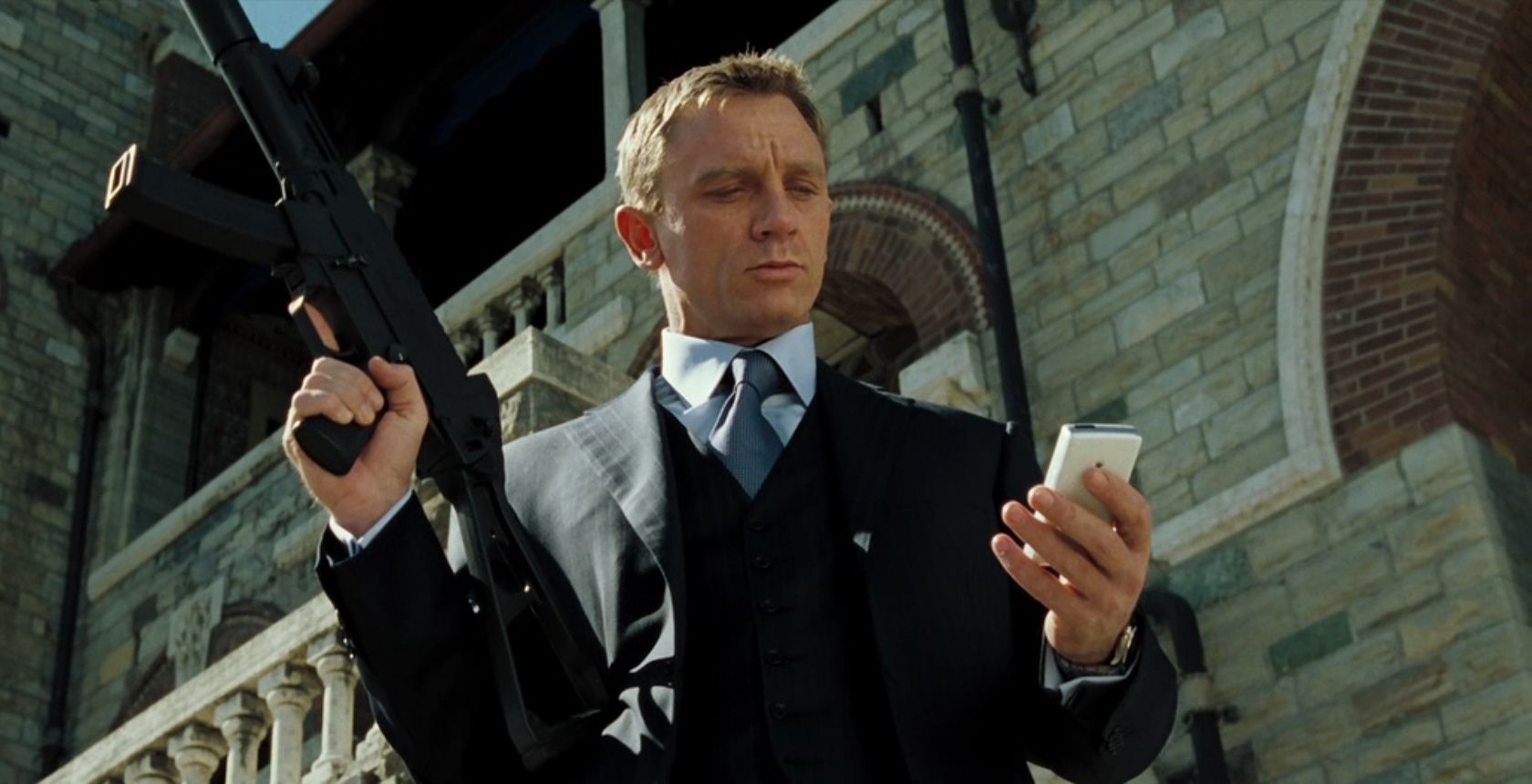
The extensive search for the next actor to portray James Bond is nearing its conclusion, with Amazon MGM Studios reportedly entering the final phase of its casting process. This development comes more than five years after Daniel Craig's last appearance as 007 in 'No Time to Die.' The studio is poised to conduct its final round of auditions and screen tests for potential candidates over the coming week, with sessions potentially beginning as early as Friday and continuing for several days. This critical stage will determine who receives the coveted 'license to kill' and steps into the iconic role, marking a significant moment for the enduring film franchise and its global fanbase.

Clive Barker's Hellraiser: Revival, a single-player action-horror game developed and published by Saber Interactive, is set to release on October 8, 2026, for $40 / £35. While the game excels in its body horror, gore, and certain puzzle elements, it struggles with inconsistent action and horror sequences. The review highlights a recurring issue where player actions in combat, particularly during boss fights like the one against Charlotte and a zombie horde, ultimately have no significant impact on the outcome, leading to pre-determined cutscenes and a sense of futility. Despite the impressive monster design and top-tier gore, the reviewer found themselves funneled into repetitive set pieces and obvious 'guard rails' that undermine player agency, suggesting that such segments might be better served as pure cinematics if player input holds so little consequence.

Tesla is reportedly preparing to expand the deployment of its two-seater robotaxis, dubbed 'Cybercabs,' to additional U.S. cities later this year. These gold-colored vehicles are intended to function as autonomous ride-sharing services, signaling Tesla's continued push into the robotaxi market. Despite these ambitious plans for expansion, the company has remained notably silent regarding the actual number of paid rides the Cybercabs have facilitated so far. This lack of transparency raises questions about the current operational success and public adoption of the service, even as Tesla aims for a broader rollout. The move highlights Tesla's commitment to advancing autonomous driving technology and diversifying its business model beyond traditional vehicle sales, aiming to capture a significant share of the future mobility market. The success of this expansion will be a critical test for Tesla's self-driving capabilities and its ability to commercialize them effectively.

The article discusses ways to improve patient safety in healthcare, particularly within neonatal units, drawing parallels between the UK's NHS and New Zealand's healthcare system. Dr. Pamela S. Melding advocates for adopting New Zealand's model, which prioritizes patient safety, interests, and consent, contrasting it with the UK's perceived culture of blame and defensiveness. The piece criticizes the Thirlwall recommendations for potentially increasing suspicion within the NHS and highlights issues like hospital scandals, internal inquiries, and the role of ambulance-chasing lawyers. New Zealand's system, established through the Accident Compensation Act in the 1970s and further reformed by the Cartwright inquiry in the 1980s, eliminated the right to sue for medical accidents, fostering an open culture and establishing the independent Health and Disability Commissioner. This historical context provides a significant background for understanding how a no-blame approach could be implemented, demonstrating a working alternative to the UK's current challenges and emphasizing the importance of systemic cultural shifts over increased surveillance to enhance patient safety.

The Met Office has issued a weather warning for Storm Boelo, which is set to impact the region from Saturday evening through Sunday afternoon. The warning commences at 18:00 BST on Saturday and is expected to remain in effect until 15:00 GMT on Sunday, indicating a significant period of adverse weather. This alert signals potential disruptions and hazards for residents and infrastructure during the specified timeframe. Authorities are urging the public to stay informed about weather updates and take necessary precautions to ensure safety. The extended duration of the warning suggests a considerable impact from the storm, making preparedness crucial for communities in its path.

Low-strength British pale ales, particularly 'super-session ales' with around 3% ABV, are experiencing a surge in popularity, becoming increasingly full-bodied and flavorful. This trend is exemplified by The Kernel Brewery's Table Beer, which has seen steadily increasing sales over the past decade and, for the first time in 2026, became the brewery's most produced item. This rise aligns with the broader public interest in low-to-no alcohol beverages, although low-alcohol beers are less represented in major retailers compared to zero-alcohol options. Despite this, a few low-alcohol pale ales like Small Beer's 2.3% IPA and Jiddler's Tipple's 3.8% Everyday Pale Ale are available through specific retailers like Ocado and Waitrose, indicating a growing niche market for consumers seeking a lighter buzz without functional impairment.

Roland Mouret, the designer renowned for his influence on fashion and as a former mentor to Victoria Beckham, created the iconic Galaxy dress, a garment that became one of the most famous and copied dresses of this century. Launched in 1998 after his debut at London Fashion Week, Mouret's design was born from a pivotal realization about cost-effective garment production: that a longer seam doesn't increase production cost. This insight allowed him to extend a top into a full dress, creating a signature piece at an accessible price point, which significantly boosted his career and established his name in the fashion world. The dress gained widespread popularity in the 2000s, embraced by royalty and A-list celebrities, and more recently, has been adopted by Maga women. Mouret's goal was to create "the female version of a man's suit," emphasizing structure and power in women's wear, which the Galaxy dress achieved through its distinctive design and strategic use of a simple zip.

NASA astronaut Frank Rubio, who is slated to be part of the Artemis III mission crew and recently returned from a year-long stay in space, met with students who designed a badge that was previously sent into space. This encounter highlights the intersection of space exploration and educational outreach, inspiring the next generation of scientists and engineers. The event likely celebrated the students' achievement and offered them a unique opportunity to interact with a real-life astronaut, connecting their design work directly to the vastness of space. Rubio's involvement in the upcoming Artemis III mission adds significant weight to his visit, as this mission aims to return humans to the lunar surface, potentially including the first woman and person of color. Such interactions are crucial for fostering interest in STEM fields and demonstrating the tangible impacts of educational projects. The meeting underscores the importance of student contributions to space programs and the enduring human fascination with cosmic exploration.

Hotels, restaurants, and beauty spots are increasingly implementing restrictions or outright bans on photography and photoshoots, particularly in response to the growing presence of influencers and overzealous social media users. This backlash against content creators includes measures such as requiring prior permission, restricting filming hours, or complete prohibitions on taking photos. The trend is driven by establishments becoming overrun with individuals posing for content, disrupting the experience for other guests and staff. For example, the luxurious Hotel du Cap-Eden-Roc in Antibes, a five-star hotel popular with glamorous clientele, has recently instituted a rule that prohibits photoshoots without obtaining prior permission. This shift signifies a growing movement among high-end venues to reclaim their ambiance and exclusivity from the pervasive influence of social media content creation.

With less than two weeks until the midterm elections, high gas prices are a significant concern for US voters, potentially impacting Republican chances despite former President Trump's attempts to address the issue. Polls indicate widespread voter dissatisfaction with fuel costs, suggesting a potential backlash against the Republican party. Sharie Smith, a 41-year-old resident of Toledo, Ohio, highlighted how these rising costs are directly affecting her daily life, as she was observed airing her car's tires at a Speedway in Perrysburg, Ohio. This concern over gas prices is emerging as one of the primary issues of the current election cycle, and relief is unlikely before voting day. The article also touches on Trump's mass deportation agenda, indicating it is another factor that could influence the midterms, with reporters preparing to answer questions on its potential impact.

The 'Jackdaw decision,' concerning an energy project, has ignited controversy among Scottish politicians, with figures from the Scottish Greens, SNP, and Scottish Labour voicing their concerns. Scottish Green Mark Ruskell, the SNP's Keith Brown, and Scottish Labour's Jenny Young are actively weighing in on the issue. The central point of contention appears to be that the decision regarding Scotland's energy future was made 'outwith Scotland,' implying a lack of local input or control over a significant domestic matter. This highlights ongoing debates about devolved powers and national self-determination concerning critical infrastructure and resource management. The involvement of representatives from the three major Scottish political parties underscores the cross-party significance and potential political ramifications of the decision, making it a key issue in Scottish political discourse.

Barclays, a major banking institution, is implementing significant workforce reductions, planning to cut approximately 5,000 jobs, which represents a 5% decrease in its overall staff. This strategic decision is directly attributed to the bank's increasing adoption and integration of artificial intelligence (AI) into its operations. The move signifies a growing trend within the financial sector where technological advancements, particularly in AI, are leading to automation of tasks previously performed by human employees. This shift aims to enhance efficiency and reduce operational costs, but it also raises questions about the future of employment in industries undergoing rapid technological transformation. For Barclays, this re-structuring underscores a commitment to leveraging AI for competitive advantage while streamlining its human capital, reflecting a broader industry push towards AI-driven operational models.

South Africa achieved a significant victory over Australia in the second Test match, successfully breaking Australia's resistance during the final session of play. This crucial win means that the two teams are now set to play a decisive third Test, which will determine the series winner, in Cape Town. The outcome of this match is particularly notable as it sets up a highly anticipated series decider, indicating a closely contested series between two prominent cricketing nations. The victory itself is described as 'famous', highlighting its importance and the effort required by the South African team to secure it, especially against a resilient Australian side.

In September 2026, the video game market in the United States saw significant activity, with Marvel's Wolverine emerging as the top-selling title. This performance highlights a notable success for the game, indicating strong consumer interest and engagement within the gaming community during that period. The achievement of the number one spot underscores the continued popularity of superhero-themed games and potentially the influence of the Marvel brand in driving sales. This specific success comes amidst a broader landscape of video game sales, which, according to the article's title, presented a mix of both positive and negative developments overall, suggesting a dynamic and perhaps mixed financial quarter for the industry.

Amazon MGM Studios officially announced Thursday that "Carrie," the television series adaptation by Mike Flanagan and Stephen King, has been renewed for a second season on Prime Video. This renewal comes after the show's highly successful streaming debut, which saw it top the charts on the platform. Both Flanagan and King are confirmed to return for the second installment. Season 2 is expected to take the psychokinetic high-schooler, Carrie, into new and unexplored narrative territory, particularly given the conclusive nature of the first season's ending. This continuation signals the strong performance and audience reception of the horror series, cementing its place as a significant Prime Video original.

Spotify has addressed concerns regarding its new verification methods for Family Plan subscribers, with the company informing investors that the implementation of QR code verification is merely a 'routine improvement' rather than a 'crackdown.' This initiative aims to ensure that all members on a single Family Plan actually reside in the same household, a condition that has always been part of the service's terms but has not always been strictly enforced. The move is designed to prevent abuse of the discounted family subscription model, thereby protecting Spotify's revenue streams and ensuring fair usage. While some users might perceive this as an inconvenience or an intrusive measure, Spotify frames it as a standard operational adjustment to maintain the integrity of its subscription offerings. This development is significant as it highlights Spotify's efforts to optimize its business model and enforce its terms of service more rigorously, potentially impacting a large number of its Family Plan subscribers globally.

A rare and damaging storm brought significant hail to Phoenix, Arizona, causing widespread disruption and creating dangerous conditions. Videos circulating from the state capital captured intense scenes, including individuals seeking shelter inside a car as large hailstones shattered the vehicle's windscreen. The severe weather event was accompanied by intense downpours, which led to neighborhoods being covered in ice. This unusual weather phenomenon for the region highlights the increasing unpredictability of climate patterns and the immediate impact such extreme events can have on public safety and infrastructure, demonstrating the vulnerability of even typically warm climates to sudden severe weather.

A man in France has been identified as the first human case of Shamonda virus, sparking an investigation into whether the infection contributed to his death. Shamonda virus, a type of bunyavirus, is transmitted through the bites of infected midges and is typically found in livestock such as cattle, sheep, and goats. In animals, it can lead to various health issues including diarrhea, loss of appetite, decreased milk production, and reproductive problems like abortions and congenital abnormalities in offspring. This unprecedented human infection raises concerns about the potential for zoonotic spillover events and highlights the importance of ongoing surveillance for emerging infectious diseases that can jump from animals to humans, potentially impacting public health.

The article introduces Rachel Roddy's recipe for chicken with citrus and oregano, a dish with deep roots in Roman culinary tradition. The author reflects on the evolution of a specific restaurant at Via Bodoni 62 in Rome, starting with 'Da Rafaelle' which closed in 2009. The space was later taken over in 2011 by Augusto D’Alfonsi, owner of 'La Torricella,' who opened 'Piatto Romano' with his daughter Francesca managing it. 'Piatto Romano' continued the tradition of serving Roman food, including offal, before Francesca's brother, Andrea, eventually took over the operations in late 2013. The piece highlights the continuity and generational transfer of Roman dining traditions.

This article, titled 'Jess Cartner-Morley on fashion: don’t want to get your Big Winter Coat out just yet? Try ‘onion dressing’', discusses the art of layering clothes for the colder months, a technique the author charmingly calls 'onion dressing'. Instead of wearing bulky individual items, this method emphasizes using multiple fine layers, where each piece is visible, creating a multi-dimensional look. The author suggests that layering should be seen as a creative statement about proportion, texture, color, and self-expression, rather than just a practical act of keeping warm. The goal is to achieve depth and texture in an outfit without adding excessive bulk, avoiding a look akin to Joey in 'Friends' wearing all of Chandler's clothes. This approach allows individuals to postpone wearing heavy winter coats while still staying warm and stylish, making a masterpiece out of necessity.

Archaeologists at Westminster Abbey have finally unraveled a long-standing mystery surrounding a Roman sarcophagus discovered within its grounds. The coffin, inscribed with the name Valerius Amandinus, was found to contain human remains. An expert has now proposed that the skeleton is not that of a Roman figure but rather an 11th-century abbot. This significant finding challenges initial assumptions based on the sarcophagus's origin and provides new insight into the burial practices and history of Westminster Abbey during the medieval period. The resolution of this 'who-is-it' mystery offers valuable historical context for the site and the individuals associated with it. This discovery is important because it highlights the complex historical layers present at such ancient sites and the ongoing work of archaeologists in reinterpreting artifacts.

